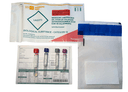
Blood collection at collection point
- After your order you receive instructions by email
- Make an appointment at a collection point near you
- Blood collection at 900+ locations across the Netherlands
- Receive your results digitally by email
Autoimmune Hepatitis: Antibodies (Blood Test)
Liver antigen antibodies; autoimmune hepatitis.
€65.00EUR
- TrustPilot 4.6/5 sterren
- No GP referral needed
- ISO 15189 certified analysis
- ISO 15189 Certified laboratory
- Results within 1 week
- Order today, processed today


What are Antibodies against Autoimmune Hepatitis (Liver Antigen)?
Antibodies against Autoimmune Hepatitis are proteins produced by the immune system in response to substances that the body considers foreign, in this case, specific liver antigens. The presence of these antibodies may indicate autoimmune hepatitis, a condition where the immune system mistakenly attacks liver cells.
Why should you have Antibodies against Autoimmune Hepatitis tested?
This test is useful for people experiencing symptoms of liver disorders, such as fatigue, jaundice, or unexplained liver enzyme test abnormalities. It can assist in the diagnosis of autoimmune hepatitis, which is important for the timely initiation of treatment and the prevention of liver damage.
What does it indicate?
The presence of antibodies against autoimmune hepatitis in the blood suggests an immune reaction against the liver cells, which is typical of autoimmune hepatitis. This helps in distinguishing it from other forms of liver disease.
What does a high level of Antibodies against Autoimmune Hepatitis mean?
A high level of these antibodies indicates an active immune response against the liver, which is consistent with the diagnosis of autoimmune hepatitis. This could mean that the disease is active and potentially requires treatment.
What does a low level of Antibodies against Autoimmune Hepatitis mean?
A low level or absence of these antibodies may indicate the lack of autoimmune hepatitis or that the condition is inactive. However, it is important to consider other diagnostic tests and the clinical context for a full assessment.