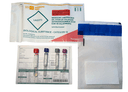
Blood collection at collection point
- After your order you receive instructions by email
- Make an appointment at a collection point near you
- Blood collection at 900+ locations across the Netherlands
- Receive your results digitally by email
Beta‑Hydroxybutyrate (BHB)
Ketones (BHB); ketosis or ketoacidosis.
€24.95EUR
- TrustPilot 4.6/5 sterren
- No GP referral needed
- ISO 15189 certified analysis
- ISO 15189 Certified laboratory
- Results within 1 week
- Order today, processed today


What is Beta-Hydroxybutyrate?
Beta-Hydroxybutyrate is a ketone body present in the blood when the body uses fats instead of carbohydrates as an energy source. This can naturally occur during fasting, low-carbohydrate diets, or intense physical exercise, but it can also indicate uncontrolled diabetes, particularly ketoacidosis, a potentially life-threatening condition.
Why should you have Beta-Hydroxybutyrate tested?
Testing for Beta-Hydroxybutyrate is important for people with diabetes, especially type 1, who experience symptoms of ketoacidosis, such as excessive thirst, frequent urination, nausea, breathing problems, and confusion. It aids in the early detection and treatment of this condition to prevent serious complications.
What does it indicate?
An elevated amount of Beta-Hydroxybutyrate in the blood indicates increased ketone production, which can be a sign of ketoacidosis, especially in diabetic patients. It can also point to other metabolic states where the body relies on fats as the primary energy source.
What does a high level of Beta-Hydroxybutyrate mean?
A high level of Beta-Hydroxybutyrate in the blood is an indication of ketoacidosis or another form of elevated ketosis. In diabetic patients, this is a sign that their condition requires immediate medical attention to prevent serious complications.
What does a low level of Beta-Hydroxybutyrate mean?
A low level of Beta-Hydroxybutyrate is normal and indicates a balanced and healthy metabolism, where the body uses carbohydrates and fats normally as energy sources.