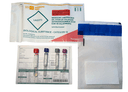
Blood collection at collection point
- After your order you receive instructions by email
- Make an appointment at a collection point near you
- Blood collection at 900+ locations across the Netherlands
- Receive your results digitally by email
Erythrocyte Sedimentation Rate (ESR)
ESR; indication of inflammation.
€4.05EUR
- TrustPilot 4.6/5 sterren
- No GP referral needed
- ISO 15189 certified analysis
- ISO 15189 Certified laboratory
- Results within 1 week
- Order today, processed today


What is Erythrocyte Sedimentation Rate (ESR)?
The sedimentation rate, or ESR (Erythrocyte Sedimentation Rate), is a blood test that measures how quickly red blood cells (erythrocytes) fall to the bottom of a test tube within one hour. It is a general indicator of inflammation and infection in the body.
Why should you get ESR tested?
An ESR test is recommended if you experience symptoms of inflammation or if there is suspicion of a specific condition such as rheumatoid arthritis, systemic lupus erythematosus, or polymyalgia rheumatica. It assists in monitoring the inflammatory status and the effectiveness of treatments.
What does it indicate?
An elevated ESR value generally indicates the presence of inflammation in the body. It may assist in the assessment of inflammatory diseases, infections, tumors, and autoimmune diseases.
What does a high ESR level mean?
A high ESR level indicates active inflammation in the body. It may suggest medical conditions such as infections, chronic inflammatory diseases, or cancer. However, it is a non-specific test and must be combined with other tests and clinical assessments for an accurate diagnosis.
What does a low ESR level mean?
A low or normal ESR level indicates that active inflammation is likely absent. It is important to note that a normal ESR does not exclude all forms of inflammation or illness.