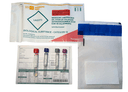
Blood collection at collection point
- After your order you receive instructions by email
- Make an appointment at a collection point near you
- Blood collection at 900+ locations across the Netherlands
- Receive your results digitally by email
Bilirubin (Indirect/Unconjugated)
Unconjugated bilirubin; hemolysis or liver.
€8.10EUR
- TrustPilot 4.6/5 sterren
- No GP referral needed
- ISO 15189 certified analysis
- ISO 15189 Certified laboratory
- Results within 1 week
- Order today, processed today


What is Indirect Bilirubin?
Indirect bilirubin is a biomarker found in the blood and is a product of the breakdown of red blood cells. It is first converted into direct bilirubin in the liver before it can leave the body. Measuring indirect bilirubin helps in assessing liver function and the condition of the blood cells.
Why should you have Indirect Bilirubin tested?
Testing for indirect bilirubin is useful for assessing liver health and determining if there are problems with red blood cell breakdown. It can also assist in diagnosing conditions such as jaundice, anemia, and liver diseases.
What does it indicate?
Indirect bilirubin levels can indicate how well the liver processes substances resulting from broken-down red blood cells. Abnormal levels can point to issues with the liver or with the breakdown of red blood cells.
What does a high Indirect Bilirubin level mean?
A high level of indirect bilirubin may indicate liver problems such as hepatitis, cirrhosis, or bile duct obstruction. It can also be a sign of increased red blood cell breakdown.
What does a low Indirect Bilirubin level mean?
Low levels of indirect bilirubin are generally not concerning and are often not considered a direct indicator of a specific condition.
Bilirubin indirect unconjugated