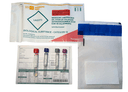
Blood collection at collection point
- After your order you receive instructions by email
- Make an appointment at a collection point near you
- Blood collection at 900+ locations across the Netherlands
- Receive your results digitally by email
BUN (Urea Nitrogen) and Creatinine
BUN and creatinine; renal function.
€8.10EUR
- TrustPilot 4.6/5 sterren
- No GP referral needed
- ISO 15189 certified analysis
- ISO 15189 Certified laboratory
- Results within 1 week
- Order today, processed today


What is BUN (Blood Urea Nitrogen Test)?
BUN stands for 'Blood Urea Nitrogen' and measures the amount of urea nitrogen in the blood. Urea nitrogen is a waste product created when proteins are broken down by the body. The kidneys filter this waste out of the blood, after which it leaves the body via urine. The BUN test, often performed together with a creatinine test, helps in assessing kidney function.
Why should you have BUN tested?
The BUN test is useful for evaluating kidney health, especially if there are symptoms suggesting kidney problems, such as fatigue, difficulty urinating, swollen hands and feet, or if you have a condition that may affect the kidneys. It is also used to monitor the effectiveness of dialysis treatment.
What does it indicate?
BUN values can provide information about how well your kidneys are functioning. Together with the creatinine value, the BUN test helps in diagnosing kidney diseases, assessing the severity of kidney conditions, and monitoring the progression of kidney disease or the effectiveness of treatment.
What does a high BUN level mean?
A high BUN level can indicate reduced kidney function, meaning the kidneys are not effectively filtering waste products. It can also point to other conditions, such as dehydration, recent heart attack, or high protein intake.
What does a low BUN level mean?
A low BUN level is less common and usually not concerning. It can occur with low protein intake, severe liver condition, or overhydration. In some cases, it may indicate reduced liver function.
Urea + Creatinine