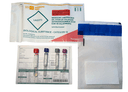
Blood collection at collection point
- After your order you receive instructions by email
- Make an appointment at a collection point near you
- Blood collection at 900+ locations across the Netherlands
- Receive your results digitally by email
Carnitine Differentiation
Carnitine fraction profile; fatty acid metabolism.
€105.00EUR
- TrustPilot 4.6/5 sterren
- No GP referral needed
- ISO 15189 certified analysis
- ISO 15189 Certified laboratory
- Results within 1 week
- Order today, processed today


What is Carnitine?
Carnitine is a biomarker crucial for the conversion of fats into energy within the body. It assists in transporting fatty acids to the mitochondria, the cells' powerhouses, where these fats are converted into usable energy.
Why test Carnitine?
Testing carnitine is useful for individuals experiencing fatigue, having weight issues, or athletes looking to optimize their performance. It may also be important for those following a plant-based diet, as carnitine is mainly found in animal products.
What does it indicate?
Carnitine levels in the blood provide information on how well the body is capable of converting fats into energy. It can indicate metabolic capacity and potential deficiencies in the body's energy production.
What does a high Carnitine level mean?
A high level of carnitine may indicate effective fat metabolism, but in some instances, it may also point to certain health conditions, such as liver issues or specific genetic disorders.
What does a low Carnitine level mean?
A low level of carnitine may indicate a deficiency, which can lead to fatigue, muscle weakness, and difficulties with fat metabolism. It can also result from a low-animal-product diet or specific metabolic disorders.
Carnitine differentiation:
total carnitine, free carnitine (FC), acylcarnitine (AC), AC/FC ratio