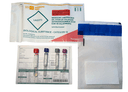
Blood collection at collection point
- After your order you receive instructions by email
- Make an appointment at a collection point near you
- Blood collection at 900+ locations across the Netherlands
- Receive your results digitally by email
Glucose
Fasting glucose; sugar metabolism.
€7.45EUR
- TrustPilot 4.6/5 sterren
- No GP referral needed
- ISO 15189 certified analysis
- ISO 15189 Certified laboratory
- Results within 1 week
- Order today, processed today


What is Glucose?
Glucose is a simple sugar that is a crucial source of energy for the body. The level of glucose in the blood indicates how well the body extracts and uses energy from food. Measuring glucose is particularly important for managing and diagnosing conditions such as diabetes.
Why should you have Glucose tested?
Testing glucose is essential for individuals at risk of diabetes or who already have this condition. It helps monitor blood sugar levels to keep them within a healthy range. It is also useful for detecting hypoglycemia (low blood sugar level) or hyperglycemia (high blood sugar level), both of which can be harmful to the body if left untreated.
What does it indicate?
The glucose test indicates the current blood sugar level. This is important for determining the effectiveness of diet, exercise, and medication in people with diabetes. It can also point to prediabetes, a condition where blood sugar levels are higher than normal but not high enough to be diagnosed as diabetes.
What does a high Glucose level mean?
A high glucose level, known as hyperglycemia, may indicate diabetes. It can also be an indication of stress, a recent meal, or other medical conditions. Prolonged hyperglycemia without treatment can lead to serious health problems, including heart disease, kidney failure, and nerve damage.
What does a low Glucose level mean?
A low glucose level, or hypoglycemia, may suggest too high a dose of diabetes medication, a long period without eating, excessive physical exertion, or an underlying medical condition. Hypoglycemia can lead to symptoms such as dizziness, shaking, sweating, and in severe cases, loss of consciousness.