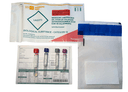
Blood collection at collection point
- After your order you receive instructions by email
- Make an appointment at a collection point near you
- Blood collection at 900+ locations across the Netherlands
- Receive your results digitally by email
HbA1c
HbA1c; average glucose (8–12 weeks).
€11.25EUR
- TrustPilot 4.6/5 sterren
- No GP referral needed
- ISO 15189 certified analysis
- ISO 15189 Certified laboratory
- Results within 1 week
- Order today, processed today


What is HbA1c?
Hemoglobin A1c, or HbA1c for short, is a form of hemoglobin that is linked to sugar molecules. It is an important biomarker used to measure the average blood sugar level (glucose) over the past two to three months. HbA1c values indicate how well blood sugar levels have been controlled in people with diabetes or prediabetes.
Why should you test HbA1c?
Testing HbA1c is crucial for people with diabetes or those at risk of diabetes, as it helps monitor the long-term control of blood sugar levels. Regular HbA1c tests can assist in adjusting diet, medication, or lifestyle to prevent or manage complications related to diabetes, such as heart disease, kidney damage, and nerve damage.
What does it indicate?
An HbA1c test result provides an average overview of your blood sugar level over the last two to three months. It aids in determining diabetes control and the risk of complications. This test is an essential component of the diabetes management plan.
What does a high HbA1c level mean?
A high HbA1c level indicates inadequate control of blood sugar, which can increase the risk of diabetes complications such as heart disease, kidney failure, vision problems, and nerve damage. It may also indicate the development or presence of diabetes.
What does a low HbA1c level mean?
A low HbA1c level may indicate very good control of blood sugar in people with diabetes. However, a level that is too low can also involve risks, such as the risk of hypoglycemia (low blood sugar), which can pose serious and immediate health risks.