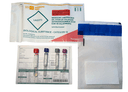
Blood collection at collection point
- After your order you receive instructions by email
- Make an appointment at a collection point near you
- Blood collection at 900+ locations across the Netherlands
- Receive your results digitally by email
HDL cholesterol
HDL-cholesterol; protective fraction.
€4.50EUR
- TrustPilot 4.6/5 sterren
- No GP referral needed
- ISO 15189 certified analysis
- ISO 15189 Certified laboratory
- Results within 1 week
- Order today, processed today


What is HDL cholesterol?
HDL stands for High-Density Lipoprotein. This type of cholesterol is known as 'good' cholesterol. HDL cholesterol helps to remove excess cholesterol from the blood vessels and return it to the liver, where it is broken down and removed from the body. This reduces the risk of cardiovascular diseases.
Why should you have HDL cholesterol tested?
Measuring HDL cholesterol is important for assessing your risk of cardiovascular disease. An HDL test is often part of a lipid panel, a series of tests to measure the amount of cholesterol and other fats in your blood.
What does it indicate?
HDL cholesterol levels provide insight into how well your body is able to process and remove cholesterol. Higher levels of HDL cholesterol are associated with a lower risk of heart disease, whereas lower levels may indicate a higher risk.
What does a high HDL cholesterol level mean?
A high HDL cholesterol level is generally considered favorable and may offer protection against cardiovascular disease. It means that your body is effectively removing cholesterol from the blood vessels.
What does a low HDL cholesterol level mean?
A low HDL cholesterol level is considered a risk factor for cardiovascular disease. It suggests that there is not enough 'good' cholesterol to remove excess cholesterol from the blood vessels, which can lead to the build-up of plaque and ultimately to heart disease.