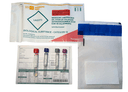
Blood collection at collection point
- After your order you receive instructions by email
- Make an appointment at a collection point near you
- Blood collection at 900+ locations across the Netherlands
- Receive your results digitally by email
Copper
Copper in blood; iron metabolism and enzymes.
€44.95EUR
- TrustPilot 4.6/5 sterren
- No GP referral needed
- ISO 15189 certified analysis
- ISO 15189 Certified laboratory
- Results within 1 week
- Order today, processed today


What is Copper?
Copper is an essential trace element found in all body tissues. It plays a key role in the formation of red blood cells, the maintenance of healthy bones, blood vessels, nerves, and the immune system. Copper also aids in the absorption of iron and plays a role in energy production.
Why should you have Copper tested?
Testing copper levels is useful for determining whether there is a copper deficiency or excess, both of which can cause health problems. It is particularly helpful for symptoms such as fatigue, weakness, frequent illnesses, problems with blood circulation, and neurological issues. It can also be important in diagnosing conditions such as Wilson's disease, where the body stores too much copper.
What does it indicate?
The copper blood test measures the amount of copper in the blood, which can assist in diagnosing various medical conditions. An abnormal copper value may indicate problems with copper metabolism in the body, which is essential for several bodily functions.
What does a high Copper level mean?
A high copper content in the blood may indicate a copper excess, which can lead to toxic effects such as liver and kidney damage, headaches, dizziness, nausea, and, in severe cases, neurological problems. It can also be a sign of diseases such as Wilson's disease.
What does a low Copper level mean?
A low copper content may indicate a copper deficiency, which can result in anemia, bone abnormalities, reduced white blood cells (which fight infections), neurological problems, and reduced resistance to infections.