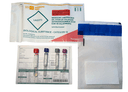
Blood collection at collection point
- After your order you receive instructions by email
- Make an appointment at a collection point near you
- Blood collection at 900+ locations across the Netherlands
- Receive your results digitally by email
Mercury
Mercury in blood; recent exposure.
€35.95EUR
- TrustPilot 4.6/5 sterren
- No GP referral needed
- ISO 15189 certified analysis
- ISO 15189 Certified laboratory
- Results within 1 week
- Order today, processed today


What is Mercury?
Mercury is a heavy metal found in the environment and can exist in various forms. It is not essential for the body and can be harmful to health when exposure occurs. Mercury can damage the nervous system, brain, kidneys, and lungs, and is particularly dangerous for pregnant women and young children.
Why should you have Mercury tested?
Testing for mercury is important for individuals who may have been exposed to high levels of mercury, such as through their work (for example, in industry or dentistry), by consuming certain types of fish, or through exposure to broken mercury-containing products. Testing can assist in diagnosing mercury poisoning, which is essential for determining the appropriate treatment.
What does it indicate?
The mercury blood test measures the amount of mercury in the blood, which can provide an indication of recent exposure to mercury. High levels of mercury in the blood can indicate potential health effects and the need for further evaluation or treatment.
What does a high mercury level mean?
A high mercury level can indicate mercury poisoning, which may cause neurological problems such as tremors, sleeplessness, memory loss, neuromuscular effects, headaches, and cognitive and motor impairments. It can also affect kidney function and blood pressure.
What does a low mercury level mean?
A low mercury level in the blood is considered normal and indicates minimal exposure to mercury. It is important to note that "low" does not necessarily mean "no exposure," as mercury can accumulate in the body, especially in the kidneys and the