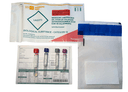
Blood collection at collection point
- After your order you receive instructions by email
- Make an appointment at a collection point near you
- Blood collection at 900+ locations across the Netherlands
- Receive your results digitally by email
Lipoprotein(a) (Lp(a))
Lipoprotein(a); hereditary risk factor for cardiovascular diseases.
€31.95EUR
- TrustPilot 4.6/5 sterren
- No GP referral needed
- ISO 15189 certified analysis
- ISO 15189 Certified laboratory
- Results within 1 week
- Order today, processed today


What is Lipoprotein (a) [Lp(a)]?
Lipoprotein (a), or Lp(a), is a type of lipoprotein in the blood that resembles LDL cholesterol, often referred to as "bad" cholesterol. Lp(a) consists of an LDL particle plus a protein called apolipoprotein(a). It is unique because the level of Lp(a) is highly genetically determined and is minimally influenced by lifestyle or diet.
Why should you have Lipoprotein (a) tested?
Testing for Lp(a) can be useful for individuals with a personal or family history of heart disease, especially if traditional risk factors (such as high LDL cholesterol) do not fully explain the risk. It may also be recommended for people with increased general heart disease risks, such as those with diabetes, high blood pressure, or smokers.
What does it indicate?
An Lp(a) test measures the amount of Lipoprotein (a) in the blood. High levels of Lp(a) are linked to an increased risk of atherosclerosis, heart disease, heart attacks, strokes, and blocked arteries.
What does a high Lp(a) level mean?
A high level of Lp(a) in the blood can indicate an increased risk of cardiovascular disease. It is considered an independent risk factor, meaning it can raise the risk of heart disease even if other known risk factors are not present.
What does a low Lp(a) level mean?
A low level of Lp(a) is generally considered favorable and indicates that there may be a lower risk of cardiovascular disease. However, low levels do not exclude other risk factors or the necessity for general heart health assessments.