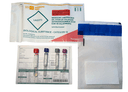
Blood collection at collection point
- After your order you receive instructions by email
- Make an appointment at a collection point near you
- Blood collection at 900+ locations across the Netherlands
- Receive your results digitally by email
Lithium
Lithium level; therapy monitoring.
€17.95EUR
- TrustPilot 4.6/5 sterren
- No GP referral needed
- ISO 15189 certified analysis
- ISO 15189 Certified laboratory
- Results within 1 week
- Order today, processed today


What is Lithium?
Lithium is a chemical element primarily used in psychiatric treatment, particularly for stabilizing mood swings in conditions such as bipolar disorder. It is considered a biomarker because the level of lithium in the blood can assist in monitoring the effectiveness of treatment and ensuring patient safety.
Why Test for Lithium?
Checking lithium levels is essential for individuals taking lithium medication for the treatment of bipolar disorder or other mood disorders. It is important to find the right balance; too little lithium may be ineffective, while too much can cause harmful side effects. Regular testing helps to accurately adjust the dosage to individual needs.
What Does It Indicate?
The lithium test measures the concentration of lithium in the blood. This indicates whether the medication levels fall within the therapeutic range, which is crucial for treatment effectiveness without significant side effects or toxicity.
What Does a High Lithium Level Mean?
A high level of lithium in the blood may indicate lithium toxicity, which can lead to symptoms such as nausea, vomiting, diarrhea, weakness, ataxia (coordination disorder), confusion, and in severe cases, coma or death. It is an indication that the dosage may need to be reduced.
What Does a Low Lithium Level Mean?
A low level of lithium suggests that the current dosage may not be sufficient to achieve the desired therapeutic effects, which may result in a return or worsening of the symptoms of the mood disorder. This may necessitate a medication adjustment.