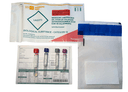
Blood collection at collection point
- After your order you receive instructions by email
- Make an appointment at a collection point near you
- Blood collection at 900+ locations across the Netherlands
- Receive your results digitally by email
Manganese
Manganese in blood; deficiency or intoxication.
€60.00EUR
- TrustPilot 4.6/5 sterren
- No GP referral needed
- ISO 15189 certified analysis
- ISO 15189 Certified laboratory
- Results within 1 week
- Order today, processed today


What is Manganese?
Manganese is an essential mineral that plays a role in the formation of bones, blood clotting, and the regulation of brain and nerve functions. It is naturally found in many foods and water.
Why should you have Manganese tested?
Testing for manganese levels can be useful in diagnosing manganese deficiency or manganese toxicity, both of which can lead to serious health problems. Deficiencies are rare, but an excess can occur in people who work with manganese-containing metals or chemicals, or in people who consume drinking water with high manganese concentrations.
What does it indicate?
The manganese test measures the amount of manganese in the blood. Normal values vary, but significantly abnormal levels can indicate a problem with the absorption, processing, or excretion of manganese in the body.
What does a high Manganese level mean?
A high manganese level can indicate manganese poisoning, which can lead to neurological problems such as tremors, difficulty walking, and psychological problems such as irritation or hallucinations. Long-term effects may include permanent brain damage.
What does a low Manganese level mean?
A low manganese level may indicate a deficiency, although this is rare. Deficiencies can lead to problems such as bone deformities, poor blood clotting, and reduced fertility in men.
Manganese WB (heparin blood)