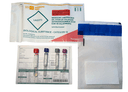
Blood collection at collection point
- After your order you receive instructions by email
- Make an appointment at a collection point near you
- Blood collection at 900+ locations across the Netherlands
- Receive your results digitally by email
Sodium
Serum sodium; fluid and osmolality.
€6.30EUR
- TrustPilot 4.6/5 sterren
- No GP referral needed
- ISO 15189 certified analysis
- ISO 15189 Certified laboratory
- Results within 1 week
- Order today, processed today


What is Sodium?
Sodium is an essential mineral that plays a crucial role in the human body, especially in regulating fluid balance and supporting nerve and muscle functions. It is primarily found in the blood and the extracellular fluid surrounding cells.
Why test for Sodium?
Testing sodium is important to assess the balance of electrolytes in the body and to aid in the diagnosis of conditions affecting water and salt balance, such as dehydration, kidney disease, or heart failure. It can also be useful in evaluating symptoms like fatigue, headache, confusion, and nausea, which may indicate an electrolyte imbalance.
What does it indicate?
The sodium level in the blood helps evaluate a person's hydration status and the functioning of the kidneys and adrenal glands. It also provides insight into how the body manages electrolytes, which is essential for maintaining healthy blood pressure and the proper functioning of muscles and nerves.
What does a high sodium level mean?
A high sodium level, known as hypernatremia, may indicate dehydration, certain kidney diseases, or excessive salt intake. It can also be associated with conditions that affect the body's water balance, thus increasing the risk of hypertension and heart disease.
What does a low sodium level mean?
A low sodium level, or hyponatremia, may indicate overhydration, kidney failure, heart failure, or the use of certain medications. It can also cause symptoms such as fatigue, confusion, headache, and in severe cases, seizures.