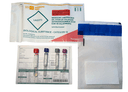
Blood collection at collection point
- After your order you receive instructions by email
- Make an appointment at a collection point near you
- Blood collection at 900+ locations across the Netherlands
- Receive your results digitally by email
Nickel
Nickel in blood; exposure or allergy.
€35.95EUR
- TrustPilot 4.6/5 sterren
- No GP referral needed
- ISO 15189 certified analysis
- ISO 15189 Certified laboratory
- Results within 1 week
- Order today, processed today


What is Nickel?
Nickel is a chemical element frequently found in our environment, including food and drinking water, but also in many metals and alloys used in jewelry and household items. Measuring nickel in the blood can aid in identifying a nickel allergy or exposure to high levels of nickel.
Why should you test for Nickel?
Testing for nickel is particularly useful for people experiencing symptoms of an allergic reaction, such as a rash, after contact with metal objects or consuming nickel-rich foods. It can also be beneficial for workers in industries where nickel is frequently used, allowing for the monitoring of excessive exposure.
What does it indicate?
A nickel test can indicate the concentration of nickel in the blood. This helps determine whether someone has been exposed to higher levels of nickel than what is considered safe, or if someone potentially has an allergy to nickel.
What does a high Nickel level mean?
A high level of nickel in the blood may indicate excessive exposure to nickel, which can cause health issues such as skin rashes, respiratory problems, or even more serious conditions. It may also suggest an allergic reaction to nickel.
What does a low Nickel level mean?
A low level of nickel in the blood is normal and suggests that there has been no significant exposure to nickel. It also means that there is likely no allergy to nickel, unless symptoms are present that are not detected by the test.