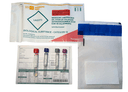
Blood collection at collection point
- After your order you receive instructions by email
- Make an appointment at a collection point near you
- Blood collection at 900+ locations across the Netherlands
- Receive your results digitally by email
Omega-3 Fatty Acid Profile
Omega-3 fatty acids; EPA, DHA and Omega-3 Index in red blood cells.
€85.00EUR
- TrustPilot 4.6/5 sterren
- No GP referral needed
- ISO 15189 certified analysis
- ISO 15189 Certified laboratory
- Results within 1 week
- Order today, processed today


What is an Omega-3 Fatty Acid Profile?
An Omega-3 Fatty Acid Profile is a comprehensive blood test that measures the amount of omega-3 fatty acids (EPA and DHA) present in your red blood cells. The test not only shows the Omega-3 Index (the percentage of EPA + DHA), but also the individual values of EPA and DHA, plus the total fatty acid profile.
Why would you get an Omega-3 Fatty Acid Profile?
Testing your omega-3 status provides an objective picture of your omega-3 fatty acids. It helps you to:
- Determine whether you're getting enough omega-3 through diet or supplements
- Better assess your risk of cardiovascular disease
- Monitor the effectiveness of omega-3 supplementation
- Receive targeted dietary and supplementation advice
What does the test measure exactly?
An Omega-3 Fatty Acid Profile measures the following values:
- EPA (Eicosapentaenoic acid) - An omega-3 fatty acid with anti-inflammatory properties (norm: >9.1 mg/l)
- DHA (Docosahexaenoic acid) - An omega-3 fatty acid important for brain and eye health (norm: >61 mg/l)
- Omega-3 Index - The total percentage of EPA + DHA in red blood cells (optimal: >8.0%)
- Total fatty acids - The total amount of fatty acids in your blood (norm: 1384-2387 mg/l)
How do you interpret the results?
Omega-3 Index values:
- >8% - Optimal: excellent protection for heart and blood vessels
- 6-8% - Moderate: reasonable protection, but improvement possible
- 4-6% - Suboptimal: increased risk, supplementation recommended
- <4% - Deficient: significantly increased risk of heart disease
What does a high Omega-3 Index mean?
An Omega-3 Index of 8% or higher is considered optimal and indicates that you:
- Are getting sufficient omega-3 fatty acids through diet or supplements
- Have a lower risk of cardiovascular disease
- Have better protection against inflammation
- Have optimal support for brain function and cognition
What does a low Omega-3 Index mean?
An Omega-3 Index below 8% indicates suboptimal status and may mean that you:
- Are consuming too little fatty fish or omega-3 supplements
- Have an increased risk of cardiovascular disease
- May be more susceptible to inflammation
- Could benefit from increasing your omega-3 intake through diet (fatty fish such as salmon, herring, mackerel) or supplements
What do you receive after the test?
After the blood draw, you receive a comprehensive report with:
- Your personal measurements with clear reference values
- Visual graphs comparing your values to the norm
- Detailed explanation of each measured parameter
- Concrete supplementation advice if needed, including product recommendations with dosage
- Dietary advice to improve your omega-3 status through nutrition