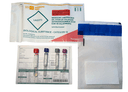
Blood collection at collection point
- After your order you receive instructions by email
- Make an appointment at a collection point near you
- Blood collection at 900+ locations across the Netherlands
- Receive your results digitally by email
Perfluorooctanoic Acid (PFOA)
PFOA in blood; exposure assessment.
€110.00EUR
- TrustPilot 4.6/5 sterren
- No GP referral needed
- ISO 15189 certified analysis
- ISO 15189 Certified laboratory
- Results within 1 week
- Order today, processed today


What is Perfluorooctanoic Acid (PFOA)?
Perfluorooctanoic acid, often abbreviated as PFOA, is a chemical substance widely used in industrial processes and consumer products, such as non-stick pans and water-repellent materials. PFOA belongs to the group of per- and polyfluoroalkyl substances (PFAS), which are known for their ability to persist in the environment and accumulate in the human body.
Why should you have PFOA tested?
Testing for PFOA can be useful for people living in areas with known contamination by PFAS, or for those who have been exposed to materials and products containing PFOA. Determining the amount of PFOA in the blood can help assess exposure and potential associated health risks.
What does it indicate?
The presence of PFOA in the blood indicates exposure to this chemical substance. Because PFOA can accumulate in the body, testing for it can provide insight into both recent and historical exposure.
What does a high PFOA level mean?
A high level of PFOA in the blood may indicate significant exposure to this chemical substance, which may increase long-term health risks. Chronic exposure to high levels of PFOA is associated with various health issues, including immune system dysregulation, elevated cholesterol levels, and possible links to certain forms of cancer.
What does a low PFOA level mean?
A low level of PFOA in the blood suggests minimal exposure to this substance. This is reassuring, but it is important to consider regular monitoring, especially if there is a risk of exposure, to ensure that levels remain low.