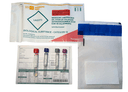
Blood collection at collection point
- After your order you receive instructions by email
- Make an appointment at a collection point near you
- Blood collection at 900+ locations across the Netherlands
- Receive your results digitally by email
PSA
Prostate-specific antigen; prostate status.
€26.95EUR
- TrustPilot 4.6/5 sterren
- No GP referral needed
- ISO 15189 certified analysis
- ISO 15189 Certified laboratory
- Results within 1 week
- Order today, processed today


What is PSA?
Prostate-Specific Antigen (PSA) is a protein produced by the prostate gland. It is present in small quantities in the blood of all men, but higher levels can indicate prostate problems, including prostate cancer, enlargement of the prostate (benign prostatic hyperplasia), or inflammation of the prostate (prostatitis).
Why should you have PSA tested?
A PSA test is recommended for men who experience symptoms that may indicate prostate problems, such as difficulty urinating, pain in the pelvic area, or blood in the urine. It is also used as a screening tool for prostate cancer, especially in men over 50 years of age, or in men with a higher risk of the disease.
What does it indicate?
The PSA test measures the concentration of PSA in the blood. A low PSA value is considered normal and suggests that serious prostate problems are unlikely. A higher PSA value may indicate prostate cancer, benign prostatic hyperplasia, or prostatitis, but must be further investigated with additional tests.
What does a high PSA level mean?
A high PSA level can be a sign of prostate cancer, but it can also indicate other prostate problems, such as an enlarged prostate or an infection. Further diagnostic tests, such as a biopsy, may be necessary to determine the cause of the high PSA value.
What does a low PSA level mean?
A low PSA level is a good sign and suggests that the risk of serious prostate problems is low. However, it does not mean there is no risk of prostate cancer, so regular checkups are recommended.