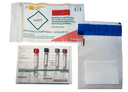
Blood collection at collection point
- After your order you receive instructions by email
- Make an appointment at a collection point near you
- Blood collection at 800+ locations across the Netherlands
- Receive your results digitally by email
Rapamycin / Sirolimus
Your personal Rapamycin/Sirolimus levels with our specialized blood test; essential for optimizing your dosage and minimizing potential side effects.
€70.00EUR
- TrustPilot 4.6/5 sterren
- No GP referral needed
- Reviewed by BIG-registered physician
- ISO 15189 Certified laboratory
- Results within 1 week
- Order today, processed today





What is Rapamycin/Sirolimus?
Rapamycin, also known as Sirolimus, is a biomarker and medication originally developed as an immunosuppressant to prevent organ transplant rejection. However, it also has potential for off-label use in anti-aging due to its properties that can influence cellular processes and metabolism. Pfizer sells this substance under the brand name Rapamune.
Why should you test for Rapamycin/Sirolimus?
Testing Rapamycin/Sirolimus levels can be particularly useful for individuals who use this medication off-label for anti-aging purposes. Measuring the peak concentration of the substance in the blood 3 hours after intake can help optimize the dosage for personalized use, minimizing the risks of overdose and side effects.
What does it indicate?
The concentration of Rapamycin/Sirolimus in the blood indicates how much of the medication is currently present in the body. This can help determine whether the current dosage is effective for the intended purpose without increasing the risk of negative side effects.
What does a high Rapamycin/Sirolimus level mean?
A high level of Rapamycin/Sirolimus may indicate a potential risk for side effects, including, but not limited to, immune system suppression and other possible health complications. It may be an indication that the dosage needs adjustment.
What does a low Rapamycin/Sirolimus level mean?
A low level may indicate that the current dosage is not sufficient to achieve the desired effects, such as the potential anti-aging effects or the prevention of organ rejection. This may suggest a need for dose increase, but only under medical supervision.