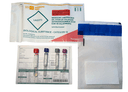
Blood collection at collection point
- After your order you receive instructions by email
- Make an appointment at a collection point near you
- Blood collection at 900+ locations across the Netherlands
- Receive your results digitally by email
Transferrin Saturation
Transferrin saturation; iron transport saturation.
€26.95EUR
- TrustPilot 4.6/5 sterren
- No GP referral needed
- ISO 15189 certified analysis
- ISO 15189 Certified laboratory
- Results within 1 week
- Order today, processed today


What is Transferrin Saturation?
Transferrin saturation, also known as transferrin saturation, is a blood test that measures how much of the transferrin protein in the blood is saturated with iron. This percentage indicates what proportion of the available transferrin is actually transporting iron. It is an important indicator of the body's iron status and helps in assessing iron deficiency or iron overload.
Why should you have Transferrin Saturation tested?
Testing transferrin saturation is useful for gaining deeper insight into the body's iron balance. It is particularly relevant when investigating conditions such as iron deficiency anemia and hemochromatosis (iron overload). This test helps determine whether too much or too little iron has been absorbed by the body, which is essential for diagnosing and managing these conditions.
What does it indicate?
A transferrin saturation test provides insight into how effectively the body uses and stores iron. It helps determine whether the amount of iron in the body is adequate for its needs, too low (indicating iron deficiency), or too high (which may suggest iron overload).
What does a high Transferrin Saturation mean?
A high transferrin saturation often indicates an excess of iron in the body. This may be a sign of hemochromatosis, a condition where the body absorbs and stores too much iron, which can cause organ damage.
What does a low Transferrin Saturation mean?
A low transferrin saturation usually indicates iron deficiency. This may point to insufficient iron absorption or increased iron loss, which can lead to iron deficiency anemia. It is important for the diagnosis and treatment of anemia.