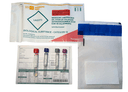
Blood collection at collection point
- After your order you receive instructions by email
- Make an appointment at a collection point near you
- Blood collection at 900+ locations across the Netherlands
- Receive your results digitally by email
Triglycerides
Triglycerides; part of lipid profile.
€4.50EUR
- TrustPilot 4.6/5 sterren
- No GP referral needed
- ISO 15189 certified analysis
- ISO 15189 Certified laboratory
- Results within 1 week
- Order today, processed today


What are Triglycerides?
Triglycerides are a type of fat found in the blood. When you eat, your body converts the calories it doesn't need immediately into triglycerides, which are stored in fat cells. Later, between meals, your body can use these triglycerides for energy.
Why should you have Triglycerides tested?
Testing triglycerides is useful for assessing your risk of heart disease. It is particularly helpful as part of a lipid profile (cholesterol test) during regular health screenings or if you have risk factors for heart disease.
What does it indicate?
The level of triglycerides in your blood can indicate how well your body processes fats. It helps assess the risk of developing heart disease and can be an indicator of metabolic syndrome, a cluster of conditions that increase the risk of heart disease, diabetes, and stroke.
What does a high triglyceride level mean?
A high level of triglycerides may indicate an increased risk of heart disease. It can also be a sign of other conditions, such as metabolic syndrome, type 2 diabetes, or a thyroid disorder. Excessive alcohol consumption, obesity, and a diet high in carbohydrates can also contribute to high triglycerides.
What does a low triglyceride level mean?
While much attention is focused on high levels, extremely low triglyceride levels are rare and may indicate malnutrition, malabsorption (where your body does not adequately absorb nutrients from food), or other medical conditions.