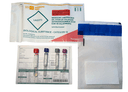
Blood collection at collection point
- After your order you receive instructions by email
- Make an appointment at a collection point near you
- Blood collection at 900+ locations across the Netherlands
- Receive your results digitally by email
EBV Blot (Infectious Mononucleosis)
Antibodies against EBV; used when Pfeiffer's disease is suspected.
€60.00EUR
- TrustPilot 4.6/5 sterren
- No GP referral needed
- ISO 15189 certified analysis
- ISO 15189 Certified laboratory
- Results within 1 week
- Order today, processed today


What is Epstein-Barr Virus (EBV) Blot?
Epstein-Barr Virus (EBV), also known as human herpesvirus 4, is one of the most common viruses in humans. It causes Infectious Mononucleosis, also known as 'glandular fever', which mainly affects young people and is characterized by symptoms such as fatigue, fever, sore throat, and swollen lymph nodes.
Why should you have Epstein-Barr Virus (EBV) tested?
An EBV test can be useful when you experience symptoms of Infectious Mononucleosis or when you want to know if you have been infected with the virus in the past. It helps confirm the diagnosis, especially in cases where the symptoms resemble those of other diseases.
What does it indicate?
An EBV test can detect the presence of specific antibodies against the virus in the blood. This helps determine whether you have an active infection, or if you have been infected in the past.
What does a high EBV level mean?
A high level of specific EBV antibodies may indicate an active or recent infection. This means you currently have Infectious Mononucleosis or have had it recently.
What does a low EBV level mean?
A low level of antibodies against EBV may mean that you have never been infected with the virus or that a previous infection was so long ago that the antibody titers have declined.