Luteinizing Hormone (LH) (fingerstick)
LH for ovulation and testicular function; also for sports or TRT monitoring.
- No GP referral needed
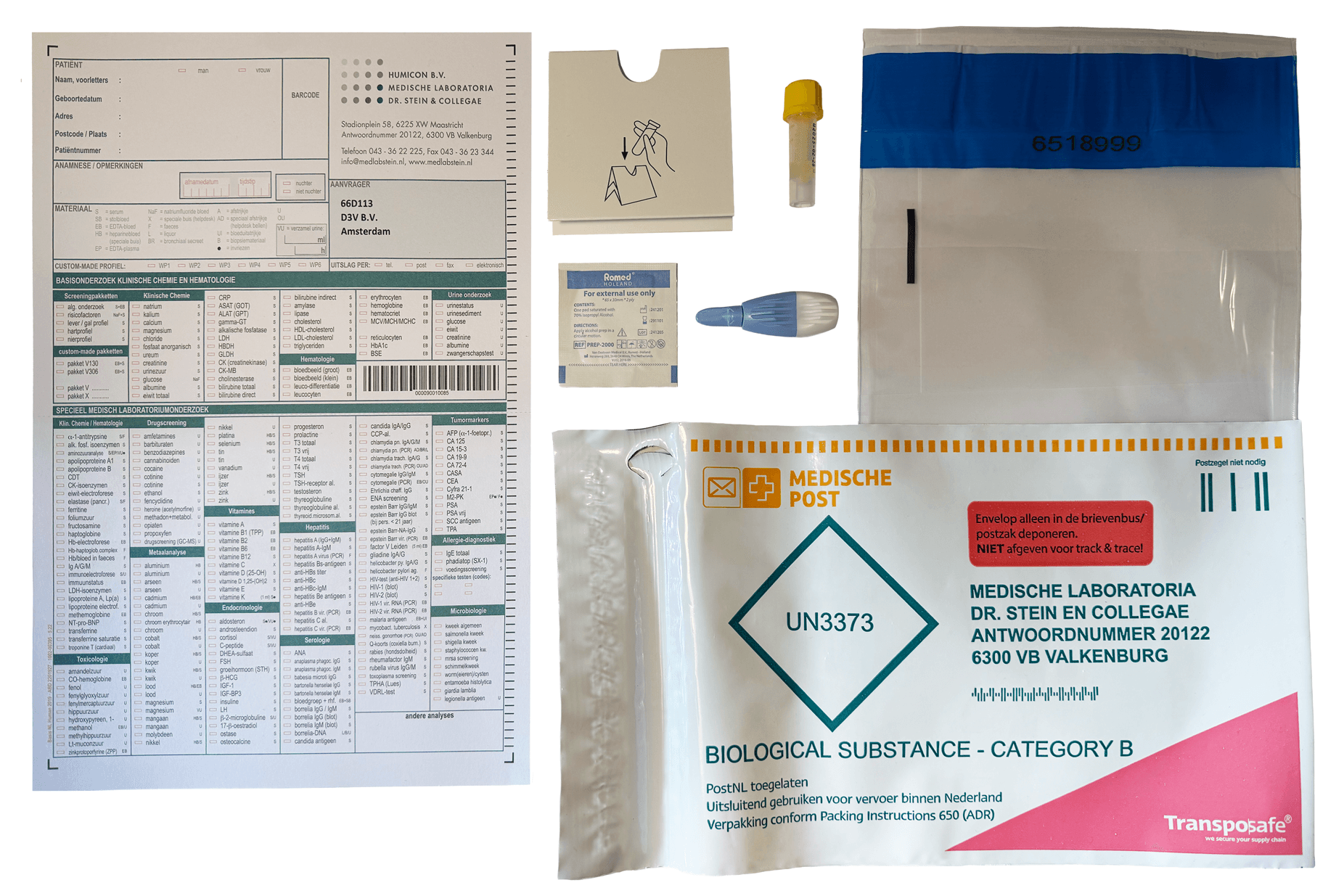
Fingerstick at home – no collection point needed
How it works
- 01
Receive your fingerstick kit
You receive a fingerstick kit with clear instructions
- 02
Prick & collect
Easily collect a few drops of blood yourself
- 03
Mail back
Return via medical mail to the lab
What is LH Hormone?
The LH hormone, or Luteinizing Hormone, is an important biomarker that plays a crucial role in both the female and male reproductive systems. In women, it regulates the menstrual cycle and ovulation, while in men, it stimulates the production of testosterone.
Why should you have LH tested?
Testing the LH hormone can be useful for individuals who want to evaluate their fertility or who have problems with their menstrual cycle. It can also help in diagnosing conditions related to the reproductive organs, such as polycystic ovary syndrome (PCOS) in women or low testosterone levels in men.
What does it indicate?
The amount of LH in your blood can help determine your fertility status. During a female menstrual cycle, the LH hormone peaks, leading to ovulation. This peak is an indication that ovulation will occur within 24 to 36 hours. In men, a constant level of LH indicates normal testicular function.
What does a high LH level mean?
A high level of LH can indicate various conditions, depending on sex and age. In women, it may indicate the presence of PCOS or an approaching menopause. In men, a high LH level may point to a problem with the testes, such as failure or absence of response to LH.
What does a low LH level mean?
A low LH level may indicate hypothalamic or pituitary disorders, which affect the production and release of this hormone. In women, this can lead to a lack of menstruation or ovulation, while in men, it can result in reduced testosterone production.