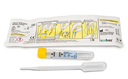
Urine test at home – no collection point needed
- You receive a urine collection kit with clear instructions
- Easily collect a urine sample yourself
- Return via medical mail to the lab
Pyridinoline: Deoxypyridinoline (Urine)
Measure your bone health with our Pyridinoline (PYD) and Deoxypyridinoline (DPD) urine tests; essential for monitoring bone breakdown and assessing osteoporosis risk.
€60.00EUR
Important collection instructions
We already wrap the tube in aluminum foil. Minimize light exposure and keep the foil on the tube.
Important urine collection instructions
Use second morning urine (not the first) for this test.
- TrustPilot 4.6/5 sterren
- No GP referral needed
- ISO 15189 certified analysis
- ISO 15189 Certified laboratory
- At-home urine collection
- Order today, processed today


Urine test at home – no collection point needed
- You receive a urine collection kit with clear instructions
- Easily collect a urine sample yourself
- Return via medical mail to the lab
What are Pyridinoline (PYD) and Deoxypyridinoline (DPD)?
Pyridinoline (PYD) and Deoxypyridinoline (DPD) are biomarkers found in bone and cartilage tissue. These substances are crosslinks that aid in the stability and strength of collagen fibers. Collagen is an important protein that contributes to the structure and integrity of our bone and cartilage tissue.
Why should PYD and DPD be tested?
Testing PYD and DPD in urine can be useful to assess the rate of bone breakdown. This is particularly helpful for individuals at risk of osteoporosis or other conditions affecting bone density. It can also be beneficial in monitoring the effectiveness of certain treatments for these conditions.
What does it indicate?
The levels of PYD and DPD in urine reflect how quickly bone tissue is being broken down. An increase in these biomarkers may indicate elevated bone breakdown, which can be an indication of bone loss or progressive osteoporosis.
What does a high level of PYD and DPD mean?
High levels of PYD and DPD in urine may indicate accelerated bone breakdown. This can be a sign of osteoporosis, bone diseases, or other conditions affecting bone health. It can also occur in individuals taking certain medications that influence bone density.
What does a low level of PYD and DPD mean?
Low levels of PYD and DPD may indicate a slower rate of bone breakdown. This can be normal for healthy individuals without risk of bone-related conditions. However, in some contexts, it may also point to insufficient bone turnover, which also requires attention.