HbA1c (fingerstick)
Average blood sugar (8–12 weeks).
- No GP referral needed
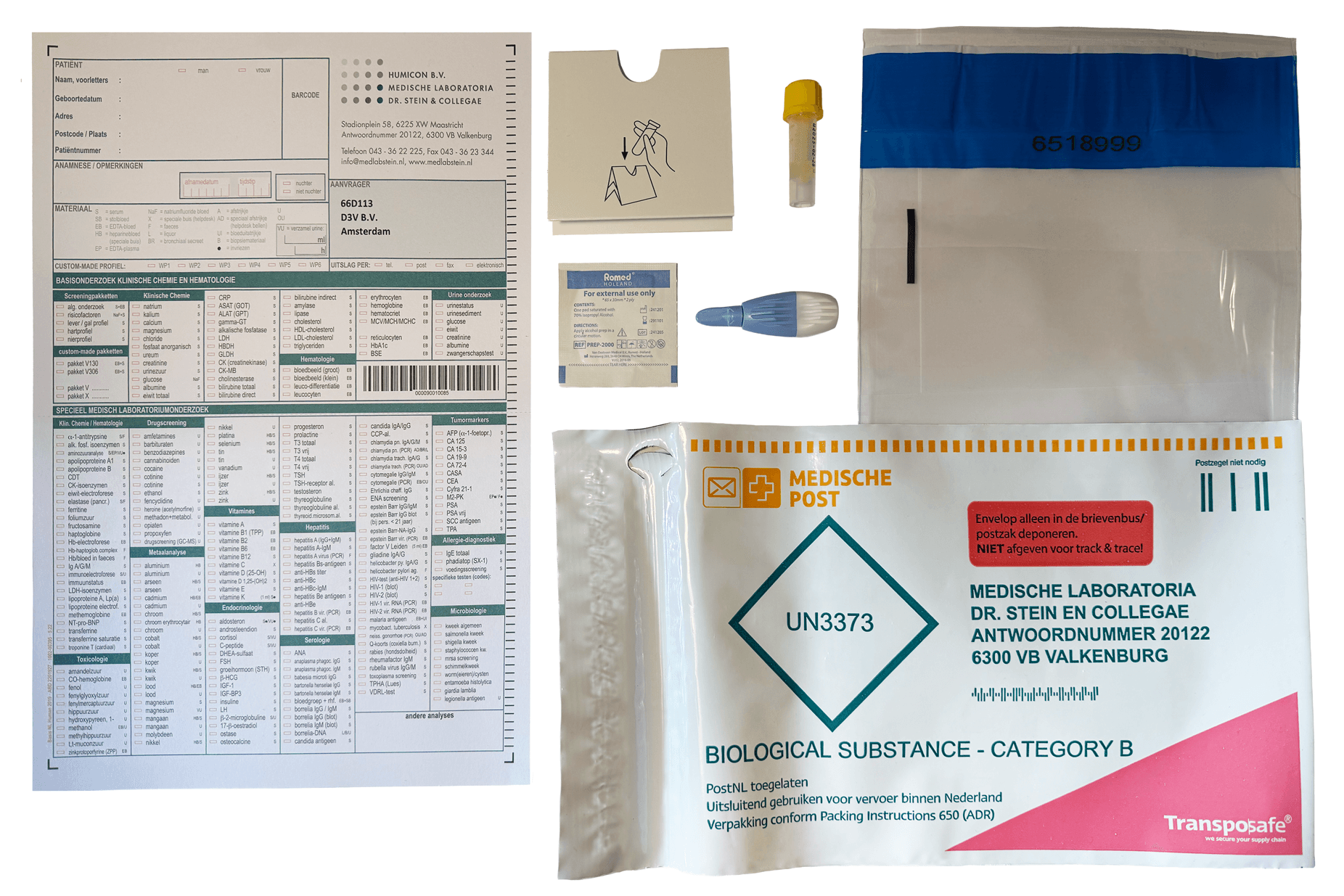
Fingerstick at home – no collection point needed
How it works
- 01
Receive your fingerstick kit
You receive a fingerstick kit with clear instructions
- 02
Prick & collect
Easily collect a few drops of blood yourself
- 03
Mail back
Return via medical mail to the lab
What is HbA1c?
HbA1c, also known as glycated hemoglobin, is a biomarker that reflects the average blood sugar level over the last two to three months. It is measured in percentages and provides an indication of how well blood sugar levels have been managed over time.
Why should you test HbA1c?
Testing HbA1c is useful for people with diabetes or those at risk of diabetes. It provides essential information on how well their blood sugar levels have been controlled over a longer period, which can assist in adjusting diet, lifestyle, or medication.
What does it indicate?
An HbA1c test result provides an indication of the risk of developing diabetes-related complications. A stable HbA1c value within the recommended limits suggests good blood sugar control, while deviations from these limits point to potential issues.
What does a high HbA1c level mean?
A high HbA1c level indicates an elevated average blood sugar level over the past months, which may be a sign of untreated or poorly managed diabetes. It increases the risk of diabetes complications such as heart disease, kidney damage, and nerve damage.
What does a low HbA1c level mean?
A low HbA1c level may indicate low blood sugar (hypoglycemia), especially in people with diabetes who use insulin or other blood sugar-lowering medicines. It is important to consult a healthcare professional if the HbA1c is consistently lower than recommended.