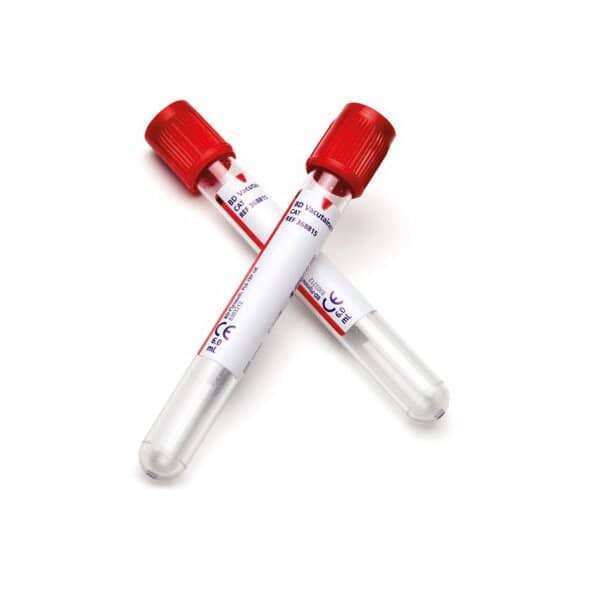
Blood draw
GLDH (glutamate dehydrogenase)
Measures GLDH, a liver enzyme from the power plants of liver cells. An addition to ALAT, ASAT and GGT for a specific question about the liver.
€ 15,00
Your privacy
Necessary cookies keep the website working.
With your consent, we use additional cookies to:
We may share visited pages, interactions and device data with 5 service providers.
Hashed contact details are shared only with marketing consent.
You can change this later through Cookie preferences at the bottom of every page.
More information is available in our privacy policy.
Liver and pancreas · Blood
A liver enzyme from the power plants of liver cells; an addition to ALAT, ASAT and GGT for a specific question.
At a glance
GLDH (glutamate dehydrogenase)
Explanation
GLDH (glutamate dehydrogenase) is an enzyme found mainly in liver cells, in the mitochondria (the power plants of the cell). It only enters the blood when liver cells are more seriously damaged or die, and less so with mild inflammation. GLDH is found mainly in the middle of the liver lobules, the part that suffers first from a lack of oxygen or toxic substances. Muscles contain almost no GLDH.
Result
A raised value fits damage to liver cells. A sharp rise is seen mainly with sudden liver damage due to a lack of oxygen (for example with a serious heart problem or shock), toxic substances or an overdose of medicines such as paracetamol. Alcohol, a blocked bile duct and fatty liver can also raise the value. A slightly raised value without symptoms often has a harmless cause. Symptoms that can go with liver damage are tiredness, pain in the upper right abdomen, dark urine and yellow skin or yellow whites of the eyes.
A low or unmeasurable value is normal and has no meaning. Healthy people have little GLDH in their blood.
With a raised value, the GP looks at the other liver values, alcohol, medicines and supplements, and usually has the test repeated after a few weeks. If the liver values stay raised, tests for the cause follow according to the NHG guideline, such as blood tests for hepatitis and an ultrasound of the liver.
Reliability
GLDH adds little to ALAT, ASAT and GGT for the usual question of whether the liver is damaged. The test can help with a specific question, for example whether a raised ASAT or ALAT comes from the liver or from the muscles, or when following sudden liver damage. According to the Dutch GP guideline (NHG), liver testing starts with ALAT, and only a rise that is present on repeat testing is meaningful. For GLDH itself, the meaning in people without symptoms and the cut-off values have been little studied.
Who it is for
The result is most meaningful with a specific question alongside the usual liver values, for example with a raised ASAT or ALAT after heavy exercise or with a muscle disease, or when following sudden liver damage. If you want to know whether your liver is healthy, ALAT, ASAT, GGT and alkaline phosphatase tell you more. In people without symptoms, a single value says little.
An abnormal liver value is regularly found in adults who have blood drawn without symptoms. Fatty liver is by far the most common cause. Sudden severe liver damage, in which GLDH rises sharply, is rare.
Dutch GP guideline (NHG) on viral hepatitis and other liver disorders and Thuisarts.nl
Get tested
GLDH (glutamate dehydrogenase) is part of these test panels. You order online and have your blood drawn at a collection point or collect the sample at home.
Evidence
This explanation is based on Dutch guidelines and independent information. It is general information, not a diagnosis. Discuss an abnormal result with your GP.
More about risks and results