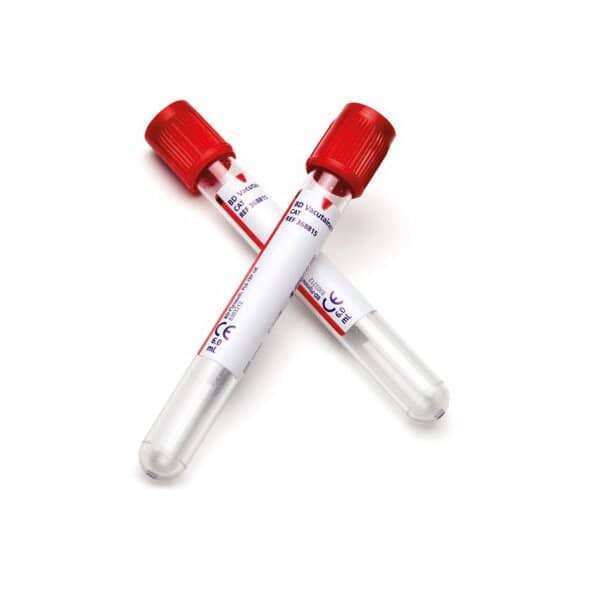
Blood draw
Hamster allergy (IgE hamster)
Measures IgE antibodies against hamster allergen. For anyone with symptoms around a hamster, when cleaning the cage or when working with lab animals.
€ 36,00
Your privacy
Necessary cookies keep the website working.
With your consent, we use additional cookies to:
We may share visited pages, interactions and device data with 5 service providers.
Hashed contact details are shared only with marketing consent.
You can change this later through Cookie preferences at the bottom of every page.
More information is available in our privacy policy.
Allergy and intolerance · Blood
Antibodies against hamster allergen; shows whether the immune system is sensitive to hamsters, not whether you get symptoms from them.
At a glance
IgE antibodies to hamster
Explanation
Hamsters spread allergens through their dander, hair, saliva and urine. These allergens end up in the air and in the bedding of the cage. This test measures the amount of IgE antibodies against hamster skin cells (epithelium) in the blood, in kU/l. The body only makes these antibodies after it has previously been in contact with the allergen; this is called sensitization. There are different kinds of hamsters, such as the golden hamster and dwarf hamsters; their allergens are partly similar, but not completely.
Result
A value above the cut-off means that you have IgE antibodies against hamster allergen: sensitization. That is not the same as an allergy. In people who get symptoms when caring for a hamster or cleaning the cage, such as sneezing, a blocked or runny nose, itchy or watery eyes, a skin rash or shortness of breath, a positive result fits an allergy to hamsters. Hamster allergens are partly similar to those of other small mammals, such as guinea pig, rat and mouse. In people without such symptoms, a positive result only means that the antibodies are there; no treatment follows.
A value below the cut-off means that no IgE antibodies against hamster allergen were found. An allergy to hamsters is then less likely, but not completely ruled out, especially with symptoms from a dwarf hamster: because the allergens of the different kinds are not completely the same, the test can miss such an allergy. Symptoms when cleaning the cage can also come from hay, bedding or dust.
The GP mainly looks at the history: when and where the symptoms occur. With a positive result and matching symptoms, the most important advice is to have as little contact as possible with the hamster and the cage; sometimes it is necessary to find a new home for the animal. With symptoms caused by work, the occupational health doctor can look at measures at work. If needed, medication for the nose, eyes or airways follows, and with symptoms that are not brought under control this way, a referral to an ENT specialist, lung specialist or allergist may follow.
Reliability
A positive IgE result shows sensitization, not allergy: it only says that there are antibodies, not that you get symptoms from them. The Dutch medical specialists' guideline (FMS) on upper airway allergy says this literally and recommends choosing a test for single allergens based on the history of the symptoms; for food allergy, the FMS guideline on food challenge testing calls the history of the symptoms the cornerstone of diagnosis and a food challenge in hospital the gold standard. The result therefore only means something if it fits when, where and after contact with what you get symptoms. A positive result without symptoms is not treated.
Who it is for
Useful with symptoms that occur near a hamster or when cleaning the cage: sneezing, a blocked or runny nose, itchy or watery eyes, coughing or shortness of breath. Also for people who work with hamsters, such as in a laboratory or pet shop. In people without such symptoms, the test adds nothing: sensitization without symptoms is not a disease and is not treated.
According to the Longfonds (Dutch lung foundation), besides cats and dogs you can also react to rabbits and other pets; hamsters are common pets. The Dutch medical specialists' guideline (FMS) on work-related asthma lists allergens from (laboratory) animals as a cause of asthma from work. Sensitization is more common than the allergy itself.
Longfonds and the FMS guideline on work-related asthma; no Dutch prevalence figure has been checked
Get tested
IgE antibodies to hamster is part of these test panels. You order online and have your blood drawn at a collection point or collect the sample at home.

Blood draw
Measures IgE antibodies against hamster allergen. For anyone with symptoms around a hamster, when cleaning the cage or when working with lab animals.
€ 36,00

Blood draw · 5 analyses
Measures IgE separately against guinea pig, rabbit, hamster, rat and mouse. For finding out which animal is behind a positive rodent allergy screen.
€ 96,00
Evidence
This explanation is based on Dutch guidelines and independent information. It is general information, not a diagnosis. Discuss an abnormal result with your GP.
More about risks and resultsMore explanations