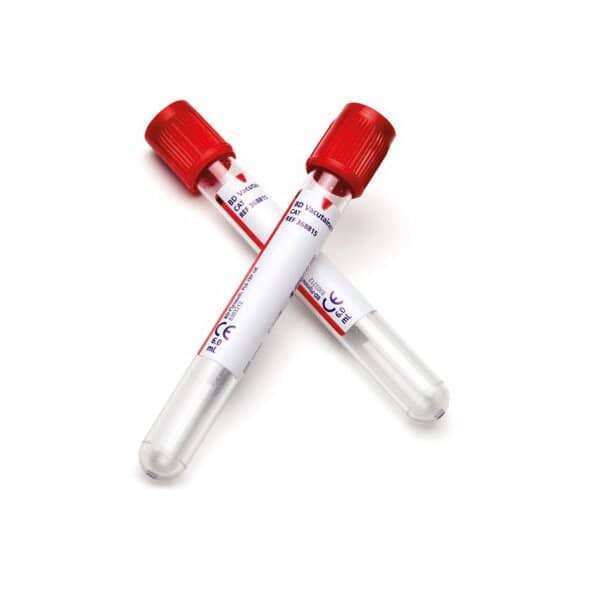
Blood draw
Cattle allergy (IgE cattle)
Measures IgE antibodies against cattle allergen. For anyone with symptoms in the cow barn, during milking or other work with livestock.
€ 36,00
Your privacy
Necessary cookies keep the website working.
With your consent, we use additional cookies to:
We may share visited pages, interactions and device data with 5 service providers.
Hashed contact details are shared only with marketing consent.
You can change this later through Cookie preferences at the bottom of every page.
More information is available in our privacy policy.
Allergy and intolerance · Blood
Antibodies against cattle allergen; shows whether the immune system is sensitive to cows, not whether you get symptoms from them.
At a glance
IgE antibodies to cattle
Explanation
Cattle spread allergens through their dander and hair. In the barn, these allergens get into the air, and via clothing and hair they also end up in the home. This test measures the amount of IgE antibodies against cattle dander in the blood, in kU/l. The body only makes these antibodies after it has previously been in contact with the allergen; this is called sensitization. An allergy to cow's milk or beef is something else and is not measured with this test.
Result
A value above the cut-off means that you have IgE antibodies against cattle allergen: sensitization. That is not the same as an allergy. In people who get symptoms in the barn or when caring for or milking cows, such as sneezing, a blocked or runny nose, itchy or watery eyes, coughing or shortness of breath, a positive result fits an allergy to cattle. Some cattle allergens are similar to those of other mammals, such as cat, dog and horse; antibodies against those animals can therefore also give a positive result with this test. In people without such symptoms, a positive result only means that the antibodies are there; no treatment follows.
A value below the cut-off means that no IgE antibodies against cattle allergen were found. An allergy to cattle is then less likely, but not ruled out: in a German study of 42 farmers with symptoms caused by cows, the standard blood test was negative in about 1 in 3, while more extensive laboratory testing still found antibodies against cow allergen. Symptoms in the barn can also come from dust, molds in hay or straw, or irritating substances such as ammonia.
The GP mainly looks at the history: whether the symptoms occur in the barn and get better on days off and during holidays. With a positive result and matching symptoms, the advice is mainly about limiting contact with cows and barn dust; with symptoms caused by work, the occupational health doctor can look at measures at work. With asthma or symptoms that are not brought under control with medication, a referral to a lung specialist or allergist may follow.
Reliability
A positive IgE result shows sensitization, not allergy: it only says that there are antibodies, not that you get symptoms from them. The Dutch medical specialists' guideline (FMS) on upper airway allergy says this literally and recommends choosing a test for single allergens based on the history of the symptoms; for food allergy, the FMS guideline on food challenge testing calls the history of the symptoms the cornerstone of diagnosis and a food challenge in hospital the gold standard. The result therefore only means something if it fits when, where and after contact with what you get symptoms. A positive result without symptoms is not treated.
Who it is for
Useful with symptoms of the nose, eyes, skin or airways that occur when working with cows, in the barn or during milking, or with contact with the clothing of someone who works with cows. This also applies to veterinarians and others who work with livestock. In people without such symptoms, the test adds nothing: sensitization without symptoms is not a disease and is not treated.
Allergy to cattle mainly occurs in people who work with cows, such as dairy farmers. The Dutch medical specialists' guideline (FMS) on work-related asthma lists animal proteins among the allergens that can cause asthma from work, and livestock farming among the sectors where people are exposed to airway irritants at work. Sensitization is more common than the allergy itself.
FMS guideline on work-related asthma; no Dutch prevalence figure has been checked
Get tested
IgE antibodies to cattle is part of these test panels. You order online and have your blood drawn at a collection point or collect the sample at home.

Blood draw
Measures IgE antibodies against cattle allergen. For anyone with symptoms in the cow barn, during milking or other work with livestock.
€ 36,00

Blood draw · 4 analyses
Measures IgE separately against dander of cat, dog, horse and cattle. For finding out which animal is behind a positive animal allergy screen.
€ 81,00
Evidence
This explanation is based on Dutch guidelines and independent information. It is general information, not a diagnosis. Discuss an abnormal result with your GP.
More about risks and resultsMore explanations