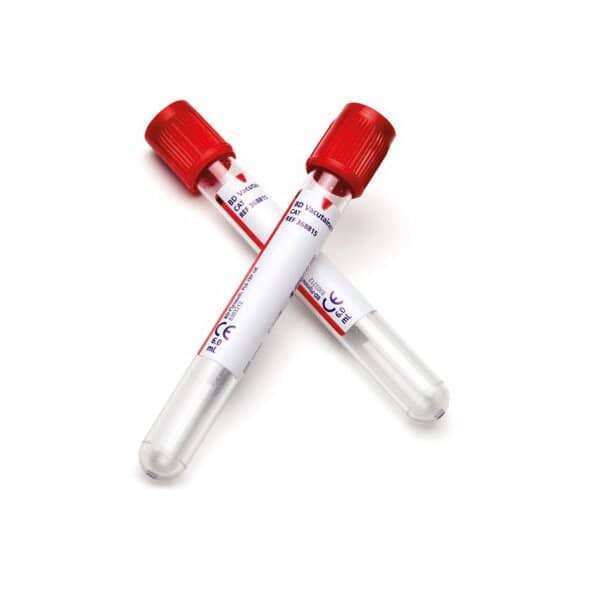
Blood draw · 2 analyses
Anaplasma phagocytophilum IgG and IgM (anaplasmosis)
Measures IgG and IgM antibodies against Anaplasma, a bacterium that ticks can transmit. For anyone who got fever, headache or muscle pain after a tick bite.
€ 89,00
Your privacy
Necessary cookies keep the website working.
With your consent, we use additional cookies to:
We may share visited pages, interactions and device data with 5 service providers.
Hashed contact details are shared only with marketing consent.
You can change this later through Cookie preferences at the bottom of every page.
More information is available in our privacy policy.
Infections · Blood
Antibodies against a bacterium spread by ticks that can cause fever; in the Netherlands the disease is rarely diagnosed.
At a glance
Anaplasma phagocytophilum IgG
Explanation
Anaplasma phagocytophilum is a bacterium that grows in white blood cells and can reach people through a tick bite. The disease is called human granulocytic anaplasmosis (HGA); it used to be called ehrlichiosis as well. This test measures IgG antibodies against the bacterium. IgG often cannot yet be detected in the first week of symptoms and then remains detectable for months, sometimes years, so the test mainly shows contact with the bacterium, not whether it is still present now.
Result
A positive result means that IgG antibodies against Anaplasma were found. This says that your immune system has had contact with this or a related bacterium at some point, not that you are ill now: IgG can remain detectable for months to years. One positive result is therefore no proof of a recent infection; that only comes from a clear rise in the amount of antibodies in a second blood draw 2 to 10 weeks later. Anaplasmosis usually causes flu-like symptoms with fever, headache and muscle pain, which often go away by themselves after a few days.
A negative result makes a past infection with Anaplasma less likely. In the first week of symptoms, IgG often cannot yet be detected, so a negative result shortly after the fever starts does not rule out anaplasmosis. With persistent or severe symptoms after a tick bite, the doctor decides based on the clinical picture, and not on this result, whether treatment is needed.
With matching symptoms and a positive result, the doctor usually arranges a second blood draw to show a rise, or a PCR on blood, often in consultation with a medical microbiologist. Whether treatment is needed depends on the clinical picture, not on the result alone. Anaplasmosis is not notifiable in the Netherlands.
Reliability
There are no agreed Dutch limit values for these antibodies, and the meaning of a single result is limited. According to the US CDC (Centers for Disease Control and Prevention), anaplasmosis cannot be confirmed with one antibody result; the strongest evidence is a clear rise between two blood draws, and in the first week a PCR on blood says more. Antibodies against Anaplasma and Ehrlichia cross-react with each other. In the Netherlands, where the disease is rarely diagnosed, a positive result in someone without matching symptoms is more often old or wrong than a sign of an active infection.
Who it is for
Can be useful with fever, headache and muscle pain in the weeks after a tick bite, especially if low white blood cells or platelets have also been found, and then preferably with a second blood draw a few weeks later. People with a severely weakened immune system have a higher chance of a severe course. Not useful as a general check after a tick bite or in people without symptoms: a positive result is then usually old or wrong and changes nothing.
How often anaplasmosis occurs in the Netherlands is not known exactly; the RIVM (Dutch National Institute for Public Health and the Environment) only makes the diagnosis very occasionally. The bacterium is found in 2 to 3 out of 100 ticks caught in nature. According to the LCI guideline (RIVM) on Lyme disease, other tick-borne pathogens, such as Anaplasma, play no role of clinical significance in the Netherlands.
RIVM; LCI guideline (RIVM) on Lyme disease
Get tested
Anaplasma phagocytophilum IgG is part of these test panels. You order online and have your blood drawn at a collection point or collect the sample at home.
Evidence
This explanation is based on Dutch guidelines and independent information. It is general information, not a diagnosis. Discuss an abnormal result with your GP.
More about risks and resultsMore explanations