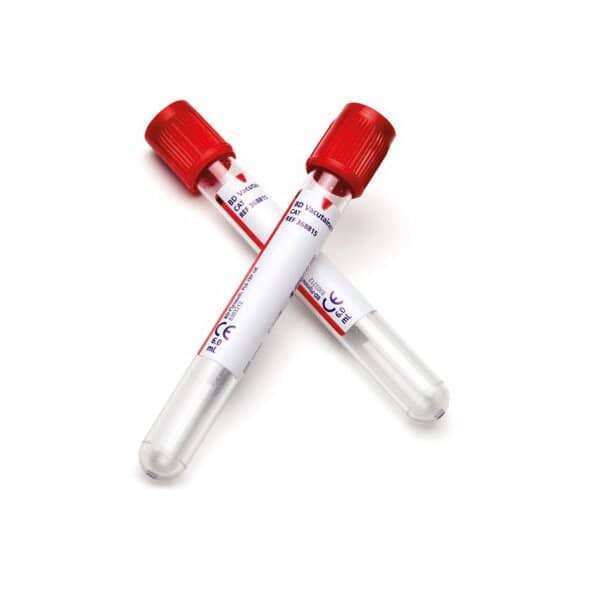
Blood draw
Mold allergy Penicillium (IgE)
Measures IgE antibodies against the mold Penicillium. For anyone with nasal symptoms, coughing or shortness of breath all year in a damp home.
€ 36,00
Your privacy
Necessary cookies keep the website working.
With your consent, we use additional cookies to:
We may share visited pages, interactions and device data with 5 service providers.
Hashed contact details are shared only with marketing consent.
You can change this later through Cookie preferences at the bottom of every page.
More information is available in our privacy policy.
Allergy and intolerance · Blood
Antibodies against the mold Penicillium; shows whether the immune system is sensitive to this mold, not whether it bothers you.
At a glance
IgE antibodies to Penicillium
Explanation
Penicillium chrysogenum is a mold that mainly grows indoors, in damp places such as the bathroom, the basement or behind wallpaper, and on spoiled food. The mold is also found in compost, potting soil and hay. This test measures the amount of IgE antibodies against Penicillium chrysogenum in the blood, in kU/l. The body only makes these antibodies after it has previously been in contact with the allergen; this is called sensitization. Sensitivity to this mold says nothing about an allergy to the antibiotic penicillin: that is a different allergy, which is not measured with this test.
Result
A value above the cut-off means that you have IgE antibodies against Penicillium: sensitization. That is not the same as an allergy. In people with nose or eye symptoms, coughing or shortness of breath in a home with damp and mold patches, or when working with compost, hay or potting soil, a positive result can fit an allergy to this mold. According to Thuisarts.nl, molds can cause nasal symptoms all year round. Antibodies against different molds often occur together, so the results for other molds can be positive as well. In people without such symptoms, a positive result only means that the antibodies are there; no treatment follows.
A value below the cut-off means that no IgE antibodies against this allergen were found. An IgE-mediated allergy to this allergen is then much less likely, although it is not completely ruled out. Symptoms can also come from another allergen that was not tested, or have a non-allergic cause.
The GP mainly looks at the history: when and where the symptoms occur, and whether there is asthma. With a positive result and matching symptoms, the advice is mainly about limiting contact with molds, for example by tackling damp and mold patches at home and ventilating well. If needed, medication for the nose, eyes or airways follows, and with symptoms that are not brought under control this way, a referral to an ENT specialist, lung specialist or allergist may follow.
Reliability
A positive IgE result shows sensitization, not allergy: it only says that there are antibodies, not that you get symptoms from them. The Dutch medical specialists' guideline (FMS) on upper airway allergy says this literally and recommends choosing a test for single allergens based on the history of the symptoms; for food allergy, the FMS guideline on food challenge testing calls the history of the symptoms the cornerstone of diagnosis and a food challenge in hospital the gold standard. The result therefore only means something if it fits when, where and after contact with what you get symptoms. A positive result without symptoms is not treated.
Who it is for
Useful with nose or eye symptoms, coughing or shortness of breath that are present all year round and are worse indoors, especially in a home with damp and mold patches, or when working with compost, hay or potting soil. Also with asthma where the symptoms get worse in such surroundings. In people without such symptoms, the test adds nothing: sensitization without symptoms is not a disease and is not treated.
Molds are, alongside pollen, house dust mite and pets, a known cause of allergic nasal symptoms. Mold allergy is less common than allergy to pollen or house dust mite. Sensitization is more common than the allergy itself.
Thuisarts.nl and the FMS guideline on upper airway allergy; no Dutch prevalence figure has been checked
Get tested
IgE antibodies to Penicillium is part of these test panels. You order online and have your blood drawn at a collection point or collect the sample at home.

Blood draw
Measures IgE antibodies against the mold Penicillium. For anyone with nasal symptoms, coughing or shortness of breath all year in a damp home.
€ 36,00

Blood draw · 4 analyses
Measures IgE separately against Penicillium, Cladosporium, Aspergillus fumigatus and Alternaria. Shows why a mold allergy screen was positive.
€ 81,00
Evidence
This explanation is based on Dutch guidelines and independent information. It is general information, not a diagnosis. Discuss an abnormal result with your GP.
More about risks and resultsMore explanations