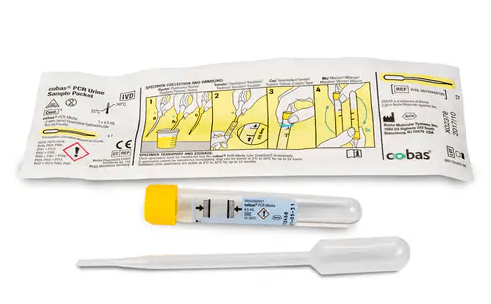
Urine · 2 analyses
Manganese
Measures manganese in your urine. Of limited use, because the body mainly removes manganese through the bile; as an addition with exposure at work.
€ 42,00
Your privacy
Necessary cookies keep the website working.
With your consent, we use additional cookies to:
We may share visited pages, interactions and device data with 5 service providers.
Hashed contact details are shared only with marketing consent.
You can change this later through Cookie preferences at the bottom of every page.
More information is available in our privacy policy.
Vitamins, minerals and amino acids · Urine
Manganese in urine says little about the manganese load, because the body mainly excretes manganese through the bile.
At a glance
Manganese (urine)
Explanation
The analysis measures how much manganese leaves the body in the urine. Manganese is a trace element found in whole grain products, nuts, legumes, vegetables, fruit and tea. Less than 10 percent of the manganese from food is absorbed, and the body mainly excretes manganese through the bile and the stool; only a little ends up in the urine. With exposure at work, for example with welding or in the steel industry, manganese is mainly breathed in.
Result
A raised value may fit recent exposure to manganese, for example with welding or work in the steel industry, or manganese supplements. Because only a little manganese ends up in the urine, the level says little about how much manganese is in the body. According to the ATSDR, long-term exposure to a lot of manganese at work mainly causes symptoms of the nervous system, such as slow and clumsy movements.
A low or unmeasurable value is normal and occurs in most people, because only a little manganese ends up in the urine. A low value is not a sign of a deficiency and does not rule out exposure.
With a raised result, the GP looks for the source, together with the occupational physician if needed, and may have manganese measured in blood. With symptoms of the nervous system after exposure, referral to the neurologist follows.
Reliability
Manganese in urine is a weak measure: most manganese leaves the body through the bile, and according to the ATSDR, past exposure is difficult to measure because excess manganese is removed within a few days. Even with known exposure at work, a single value says little about the amount of manganese in the brain and other tissues. There are no agreed cutoff values for manganese in urine. The result says something about exposure, not about a buildup that you can remove with a course of treatment.
Who it is for
Useful as an addition with known exposure to manganese at work, usually in consultation with the occupational physician. In people without symptoms and without known exposure, the measurement adds nothing. For a deficiency or a suspected excess of manganese with liver disease, urine says little.
According to the Netherlands Nutrition Centre (Voedingscentrum), an excess of manganese rarely occurs; it can cause movement and psychological symptoms. No specific symptoms of a deficiency are known. According to the ATSDR, vegetarians and people who drink a lot of tea take in more manganese than average.
The Netherlands Nutrition Centre (Voedingscentrum) and ATSDR
Get tested
Manganese (urine) is part of these test panels. You order online and have your blood drawn at a collection point or collect the sample at home.
Evidence
This explanation is based on Dutch guidelines and independent information. It is general information, not a diagnosis. Discuss an abnormal result with your GP.
More about risks and resultsMore explanations