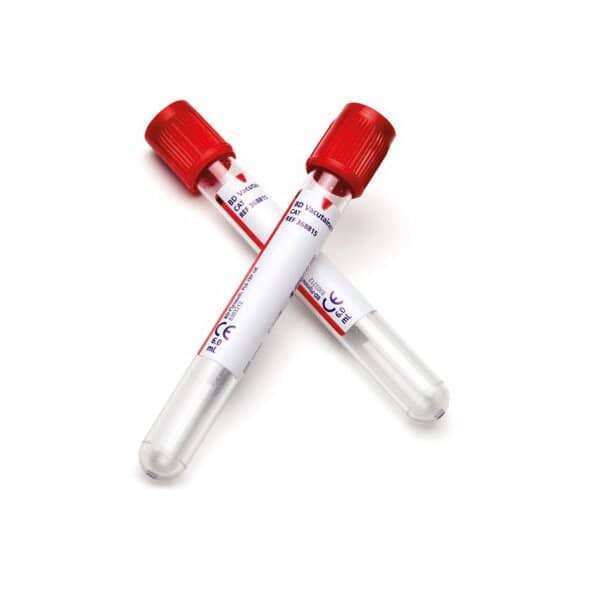
Blood draw
Aluminum (blood)
Measures aluminum in your blood. Mainly useful with poor kidney function or dialysis, and with exposure to aluminum at work.
€ 42,00
Your privacy
Necessary cookies keep the website working.
With your consent, we use additional cookies to:
We may share visited pages, interactions and device data with 5 service providers.
Hashed contact details are shared only with marketing consent.
You can change this later through Cookie preferences at the bottom of every page.
More information is available in our privacy policy.
Metals, toxins and medication · Blood
Aluminum in blood is mainly used to monitor buildup in people with poor kidney function or on dialysis.
At a glance
Aluminum (blood)
Explanation
The analysis measures how much aluminum is in your blood. Aluminum is found in small amounts in food, drinking water and some medicines, such as antacids. Most aluminum from food is not absorbed; what does reach the blood is excreted by healthy kidneys. With poor kidney function this does not work well and aluminum can build up, for example in the bone.
Result
A raised value fits a higher uptake or a reduced excretion of aluminum. According to the ATSDR, people with kidney disease can store a lot of aluminum and sometimes develop bone or brain diseases that may be caused by this excess. Sources include antacids containing aluminum, clay-based supplements and work that releases aluminum dust or fumes. Because aluminum is everywhere, contamination during the blood draw can also raise the value.
A low or unmeasurable value is normal. The body does not need aluminum, so there is no such thing as a deficiency. A low blood value does not rule out that aluminum has been stored in the bone earlier.
With a raised result, the GP looks for the source, such as antacids, supplements or work, and checks kidney function. With poor kidney function or dialysis, follow-up goes through the nephrologist; with exposure at work, through the occupational physician.
Reliability
Aluminum in blood is mainly informative in people with poor kidney function or on dialysis, and with known exposure at work; in healthy people without known exposure, a single value says little. According to the ATSDR, the measurement shows whether someone has taken in more aluminum than normal, but not whether this causes harm. Aluminum stored in the bone is not measured. According to the RIVM, aluminum from deodorant barely passes through the skin.
Who it is for
Useful for people with poor kidney function or on dialysis, as an addition to the check-up by the nephrologist (kidney specialist), and with known exposure at work. In people with normal kidney function, without symptoms and without known exposure, the measurement adds nothing.
According to the RIVM, total exposure to aluminum from food, consumer products and soil is well below the health-based limit value. For adults, antacids containing aluminum can be a major source. The RIVM advises against frequent or long-term use of detox clay.
The RIVM (Dutch National Institute for Public Health and the Environment)
Get tested
Aluminum (blood) is part of these test panels. You order online and have your blood drawn at a collection point or collect the sample at home.
Evidence
This explanation is based on Dutch guidelines and independent information. It is general information, not a diagnosis. Discuss an abnormal result with your GP.
More about risks and resultsMore explanations