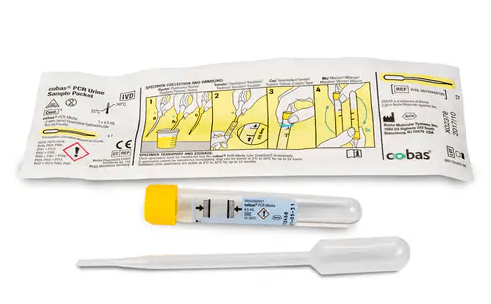
Urine · 2 analyses
Aluminum
Measures how much aluminum your kidneys excrete, as a measure of recent uptake. For anyone exposed to aluminum dust or fumes at work.
€ 42,00
Your privacy
Necessary cookies keep the website working.
With your consent, we use additional cookies to:
We may share visited pages, interactions and device data with 5 service providers.
Hashed contact details are shared only with marketing consent.
You can change this later through Cookie preferences at the bottom of every page.
More information is available in our privacy policy.
Metals, toxins and medication · Urine
Aluminum in urine shows how much aluminum your kidneys excrete; it is mainly informative with exposure at work.
At a glance
Aluminum (urine)
Explanation
The analysis measures how much aluminum leaves the body in the urine. Aluminum is the most common metal in the earth's crust and is found in small amounts in almost all food, especially in grain products, vegetables, cocoa and chocolate. Most aluminum from food is not absorbed and leaves the body in the stool; what does reach the blood is excreted in the urine by healthy kidneys. The result is a measure of uptake over the recent past, not of a store in the body.
Result
A raised value fits a higher uptake of aluminum, for example through work, long-term use of antacids containing aluminum or clay-based supplements. The level does not tell exactly how much aluminum someone has taken in and does not predict symptoms. Because aluminum is everywhere, even slight contamination of the container or the urine can give a raised result. Lung symptoms and effects on the nervous system have been described in workers who breathe in a lot of aluminum dust.
A low or unmeasurable value is normal. The body does not need aluminum, so there is no such thing as a deficiency. With poor kidney function, excretion can be low while aluminum is actually building up in the body; the urine value then says little.
With a raised result, the GP looks for the source, such as work, antacids or supplements, and has the measurement repeated if needed. With exposure at work, follow-up goes through the occupational physician.
Reliability
Aluminum in urine is mainly informative with known exposure, for example at work; in people without known exposure, a single value says little. According to the ATSDR, measurements in urine and blood can show whether someone has taken in more aluminum than normal, but not whether this causes harm. According to the RIVM, aluminum from deodorant barely passes through the skin. According to the ATSDR, it is not certain whether aluminum contributes to Alzheimer's disease; this measurement says nothing about that.
Who it is for
Useful with known exposure at work, for example when working with aluminum in a way that releases dust or fumes, usually in consultation with the occupational physician, and with long-term use of antacids containing aluminum. In people without symptoms and without known exposure, the measurement adds nothing. In people on dialysis, aluminum is measured in blood, not in urine.
According to the RIVM, total exposure to aluminum from food, consumer products and soil is well below the health-based limit value. For adults, antacids containing aluminum can be a major source. The RIVM advises against frequent or long-term use of detox clay.
The RIVM (Dutch National Institute for Public Health and the Environment)
Get tested
Aluminum (urine) is part of these test panels. You order online and have your blood drawn at a collection point or collect the sample at home.

Urine · 2 analyses
Measures how much aluminum your kidneys excrete, as a measure of recent uptake. For anyone exposed to aluminum dust or fumes at work.
€ 42,00

Urine · 9 analyses
Eight metals and creatinine in a single urine sample. For anyone with a specific exposure question through work, a hobby or an implant; not a detox test.
€ 249,00
Evidence
This explanation is based on Dutch guidelines and independent information. It is general information, not a diagnosis. Discuss an abnormal result with your GP.
More about risks and resultsMore explanations