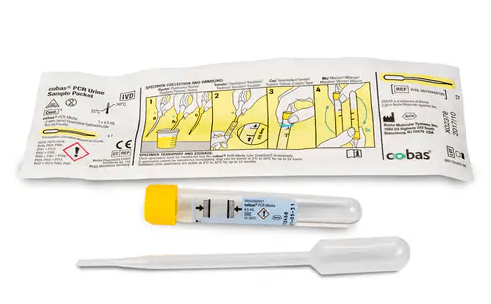
Urine · 2 analyses
Cadmium
Measures cadmium in your urine, a measure of how much cadmium has built up in your body over the years. For anyone exposed through work.
€ 42,00
Your privacy
Necessary cookies keep the website working.
With your consent, we use additional cookies to:
We may share visited pages, interactions and device data with 5 service providers.
Hashed contact details are shared only with marketing consent.
You can change this later through Cookie preferences at the bottom of every page.
More information is available in our privacy policy.
Metals, toxins and medication · Urine
Cadmium in urine reflects how much cadmium has built up in your body over the years, mainly in the kidneys.
At a glance
Cadmium (urine)
Explanation
The analysis measures how much cadmium leaves the body in the urine. Cadmium is a heavy metal that the body does not need and that enters the body through food and tobacco smoke. The body can hardly get rid of cadmium: it builds up, mainly in the kidneys, and stays there for decades. The amount in urine therefore mainly reflects the total accumulated load, while cadmium in blood says more about the past months.
Result
A raised value means that more cadmium than average has built up in the body over the years. In people who smoke or have smoked for a long time the value is usually higher, because tobacco smoke contains cadmium, and the value also rises with age. Long-term high exposure is linked to kidney damage and to bone loss, but that link applies to groups and cannot be read from the result for one person. If the kidneys are already damaged, excretion can rise sharply and the value says less about the accumulated amount.
A low or unmeasurable value is normal and occurs in most people who do not smoke. The body does not need cadmium, so there is no such thing as a deficiency. A low value says nothing about other metals.
With a raised result, the GP first maps out the possible source, including smoking and work. If needed, referral to the occupational physician or to an internist (specialist in internal medicine) follows; kidney function can then be checked.
Reliability
Cadmium in urine is the usual measure of long-term exposure, especially with known exposure through work. In people without known exposure, a single value says little; the meaning of a slightly raised value for the health of one person has been little studied. A single urine sample varies with how much you drink. The result says something about exposure, not about a build-up that you can remove with a course of treatment.
Who it is for
Useful with known long-term exposure through work or living environment, at the request of an occupational physician or a doctor investigating this. In people without symptoms and without known exposure, the measurement adds nothing to the health picture. If you want to know what cadmium means for your own health, stopping smoking is more useful than a measurement.
About 17.8 percent of Dutch adults smoke, and smoking is the most important source of cadmium in the Netherlands. In a study of people over 50, cadmium was found in the blood and urine of almost all participants. Cadmium poisoning from food or the living environment is rare.
VZinfo (RIVM) and Voedingscentrum
Get tested
Cadmium (urine) is part of these test panels. You order online and have your blood drawn at a collection point or collect the sample at home.

Urine · 2 analyses
Measures cadmium in your urine, a measure of how much cadmium has built up in your body over the years. For anyone exposed through work.
€ 42,00

Urine · 9 analyses
Eight metals and creatinine in a single urine sample. For anyone with a specific exposure question through work, a hobby or an implant; not a detox test.
€ 249,00
Evidence
This explanation is based on Dutch guidelines and independent information. It is general information, not a diagnosis. Discuss an abnormal result with your GP.
More about risks and resultsMore explanations