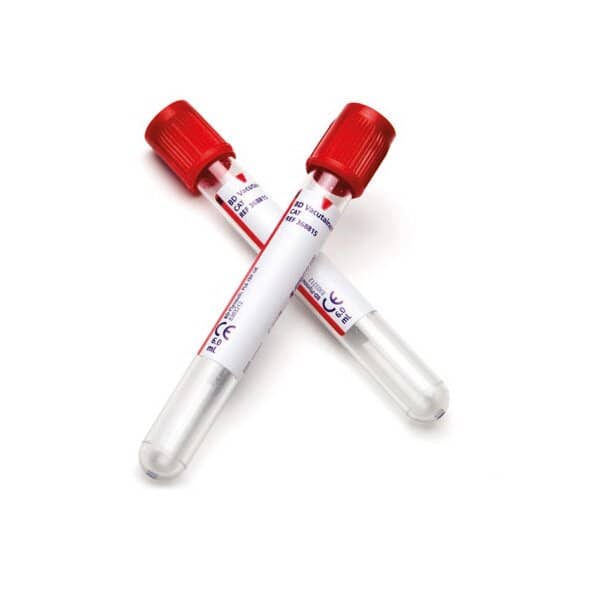
Blood draw · 2 analyses
Mycoplasma pneumoniae (IgG and IgM)
Measures IgG and IgM antibodies against Mycoplasma pneumoniae, a bacterium that causes respiratory infections. For a persistent dry cough or pneumonia.
€ 60,00
Your privacy
Necessary cookies keep the website working.
With your consent, we use additional cookies to:
We may share visited pages, interactions and device data with 5 service providers.
Hashed contact details are shared only with marketing consent.
You can change this later through Cookie preferences at the bottom of every page.
More information is available in our privacy policy.
Other analyses · Blood
Antibodies against the bacterium Mycoplasma pneumoniae; point to a past infection and say little about current symptoms.
At a glance
Mycoplasma pneumoniae IgG
Explanation
Mycoplasma pneumoniae is a bacterium that causes respiratory infections, from a mild flu-like illness with a dry, persistent cough to pneumonia. After an infection, the immune system first makes IgM antibodies and, 2 to 3 weeks later, IgG antibodies, which can remain present for more than a year. This test measures those IgG antibodies. According to the LCI guideline (RIVM), a past infection does not protect against a new infection.
Result
A positive result means that you have had an infection with Mycoplasma pneumoniae at some point. This is common: according to the LCI guideline (RIVM), 20 to 50 percent of healthy children have positive antibodies. A single IgG does not show when the infection took place and therefore does not simply explain current symptoms. A clear rise between two blood draws 1 to 2 weeks apart can, however, point to a recent infection; in a new infection, the body sometimes makes only IgG.
A negative result means that no IgG antibodies were found. In the first weeks of an infection, IgG cannot yet be detected, because it only appears 2 to 3 weeks after IgM; so a negative result does not rule out a recent infection. After a long time, the antibodies can also disappear again.
With a positive IgG and symptoms, the GP assesses the symptoms and can have antibodies measured again after 1 to 2 weeks or have a PCR done. Whether antibiotics are needed depends on the symptoms and the physical examination, not on the antibodies alone. A Mycoplasma pneumoniae infection is not notifiable; only with several cases in an institution may a notification to the GGD (municipal public health service) be needed.
Reliability
According to the LCI guideline (RIVM), a PCR on mucus from the airways (sputum or a throat swab) is the best way to show an infection at this moment. Antibodies are hard to interpret, because they are common in healthy people and remain present for a long time, and because the pattern changes as someone has had more infections. A single IgG result therefore says little; repeating it after 1 to 2 weeks can sometimes help.
Who it is for
The result mainly says something together with IgM and a second blood draw, with a long-lasting cough or pneumonia whose cause is unclear. With symptoms that have just started, a PCR on mucus from the airways says more. In people without symptoms, a positive IgG changes nothing, because antibodies are common.
In the Netherlands, Mycoplasma pneumoniae is one of the most common bacterial causes of respiratory infections and pneumonia. About every 4 to 7 years there is a wave with more infections; in the winter of 2023 to 2024, the number of positive laboratory results rose from 24 per week in October to 186 per week in December, the highest since 2005. Most infections occur in children and young adults aged 5 to 20.
LCI guideline Mycoplasma pneumoniae infection; RIVM (weekly virological reports 2023-2024)
Get tested
Mycoplasma pneumoniae IgG is part of these test panels. You order online and have your blood drawn at a collection point or collect the sample at home.
Evidence
This explanation is based on Dutch guidelines and independent information. It is general information, not a diagnosis. Discuss an abnormal result with your GP.
More about risks and resultsMore explanations