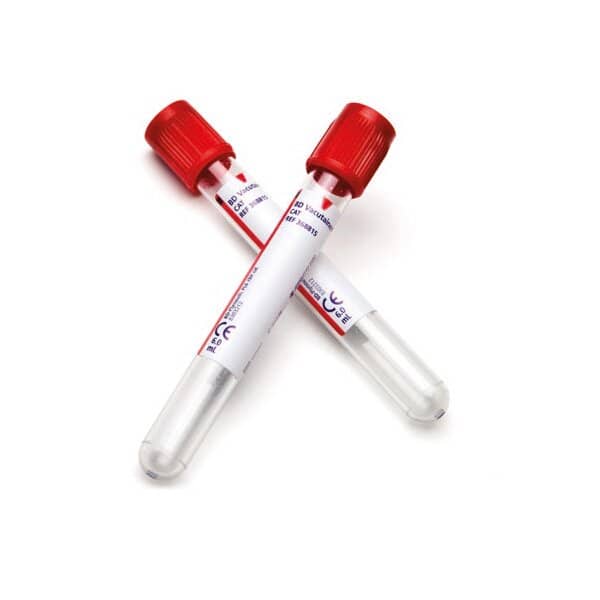
Blood draw · 2 analyses
Cobalt and Chromium
Cobalt and chromium in a single blood draw. For people with a metal-on-metal hip replacement, as an addition to the check-up by the orthopedic surgeon.
€ 96,00
Your privacy
Necessary cookies keep the website working.
With your consent, we use additional cookies to:
We may share visited pages, interactions and device data with 5 service providers.
Hashed contact details are shared only with marketing consent.
You can change this later through Cookie preferences at the bottom of every page.
More information is available in our privacy policy.
Metals, toxins and medication · Blood
Chromium in blood shows how much metal is released from a metal-on-metal hip replacement, or after exposure at work.
At a glance
Chromium (blood)
Explanation
The analysis measures how much chromium is in your blood. Chromium is a metal found in small amounts in food and used, among other things, in stainless steel, in alloys for joint replacements and in the metal and cement industries. In a metal-on-metal hip replacement, metal parts rub against each other; this can release chromium and cobalt particles that end up in the tissue around the hip and in the blood. The kidneys excrete chromium, so with reduced kidney function the value is higher.
Result
In people with a metal-on-metal hip replacement the value is often higher than in people without one; a slightly raised value is then not unusual. A rising or clearly raised value may fit extra wear or a poorly functioning implant, but for this the orthopedic surgeon looks mainly at cobalt and at the whole picture of symptoms, X-ray and scan. Chromium supplements, reduced kidney function and exposure at work, for example during welding or chrome plating, also raise the value.
A low or unmeasurable value is normal. According to the Netherlands Nutrition Centre (Voedingscentrum), chromium deficiency is not known to occur in the Netherlands, so a low result is not a reason for a supplement. With a metal-on-metal hip replacement, a low value fits little wear, but reactions in the tissue around the implant can also occur with a normal blood value.
A raised or rising value with a metal-on-metal hip replacement is a reason to contact the orthopedic surgeon, who assesses the result together with cobalt, symptoms and imaging. With exposure at work, follow-up is through the occupational physician.
Reliability
Chromium in blood says something about how much metal is released, but not about how the tissue around the implant reacts. According to the NOV (Dutch Orthopaedic Association), cobalt is the main blood value when checking a metal-on-metal implant and chromium is an optional addition. The NOV gives its own cut-off values for that check-up; the laboratory's reference value applies to people without an implant and is therefore not the right measure for someone with a metal-on-metal hip. In people without an implant or exposure the test says little, and it is not a test for a deficiency.
Who it is for
Useful for people with a metal-on-metal hip replacement, together with cobalt, as an addition to the check-up by the orthopedic surgeon, and for people who come into contact with chromium at work. In people without an implant and without exposure, the test adds nothing; it is not suitable for assessing a chromium deficiency or the effect of a supplement. A chromium allergy is diagnosed with a patch test, not with a blood test.
Up to 2012, thousands of metal-on-metal hip replacements were placed in the Netherlands; since the NOV advice of 2012 hardly any. Symptoms outside the hip caused by chromium from a hip replacement have not been well described. Chromium deficiency is not known to occur in the Netherlands.
LROI (Dutch Arthroplasty Register) and Voedingscentrum
Get tested
Chromium (blood) is part of these test panels. You order online and have your blood drawn at a collection point or collect the sample at home.
Evidence
This explanation is based on Dutch guidelines and independent information. It is general information, not a diagnosis. Discuss an abnormal result with your GP.
More about risks and resultsMore explanations