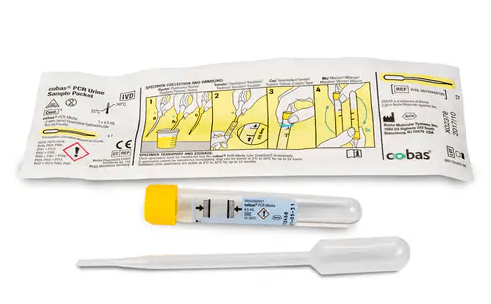
Urine · 2 analyses
Lead
Measures lead in your urine, as an addition to lead in blood with work involving lead. To check whether you take in too much lead, lead in blood is better.
€ 60,00
Your privacy
Necessary cookies keep the website working.
With your consent, we use additional cookies to:
We may share visited pages, interactions and device data with 5 service providers.
Hashed contact details are shared only with marketing consent.
You can change this later through Cookie preferences at the bottom of every page.
More information is available in our privacy policy.
Metals, toxins and medication · Urine
Lead in urine says something about exposure to lead, but lead in blood is the usual and better measure.
At a glance
Explanation
The analysis measures how much lead leaves the body in the urine. Lead is a toxic heavy metal that mainly builds up in the blood and bone; only a small part is excreted in the urine. The amount in the urine varies more than the amount in the blood. During treatment with medicines that bind lead, lead actually leaves the body through the urine.
Result
A raised value fits exposure to lead, for example through work with batteries, demolition or old paint, through hobbies such as stained glass or shooting, or through lead water pipes in buildings from before 1960. During treatment with medicines that bind lead, high excretion is the intention. How large the lead load is can be read from lead in blood, not from the urine. Symptoms with a high lead load include tiredness, headache, abdominal pain and anemia.
A low value is normal; almost everyone excretes a small amount of lead. A low value in urine does not rule out an excessive lead load, because lead in blood and in the bone is not measured.
With a raised result, the GP has lead measured in blood and looks for the source, together with the occupational physician or the environmental health department of the GGD (municipal public health service) if needed. With very high values, referral to an internist follows.
Reliability
Lead in blood is the usual measure of exposure to lead; the limits the NVKC mentions for treatment and for work with lead also apply to blood. Lead in urine says less: the value varies with how much you drink and gives a less clear picture of the load. The test is mainly used alongside lead in blood, for example with work involving lead or during treatment with medicines that bind lead. The result says something about exposure, not about a buildup that you can remove with a course of treatment.
Who it is for
Useful as an addition to lead in blood with known exposure at work, or during treatment with medicines that bind lead. If too much lead is suspected, for example from lead pipes, work or a hobby, lead in blood is the better test. In people without exposure, the measurement adds nothing.
Exposure to lead has dropped sharply in the Netherlands since lead disappeared from petrol and lead water pipes were replaced. Buildings from before 1960 can still have lead pipes. According to the Netherlands Nutrition Centre (Voedingscentrum), pregnant women, bottle-fed babies and young children can then take in too much lead through tap water.
The RIVM (Dutch National Institute for Public Health and the Environment), the Health Council of the Netherlands and the Netherlands Nutrition Centre (Voedingscentrum)
Get tested
Lead (urine) is part of these test panels. You order online and have your blood drawn at a collection point or collect the sample at home.

Urine · 2 analyses
Measures lead in your urine, as an addition to lead in blood with work involving lead. To check whether you take in too much lead, lead in blood is better.
€ 60,00

Urine · 9 analyses
Eight metals and creatinine in a single urine sample. For anyone with a specific exposure question through work, a hobby or an implant; not a detox test.
€ 249,00
Evidence
This explanation is based on Dutch guidelines and independent information. It is general information, not a diagnosis. Discuss an abnormal result with your GP.
More about risks and resultsMore explanations