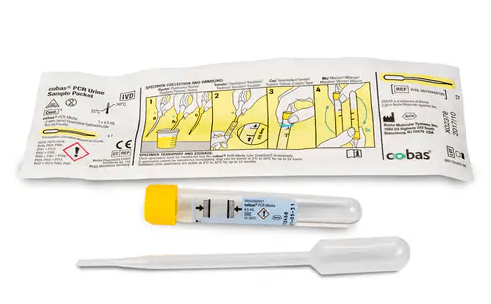
Urine · 2 analyses
Nickel
Measures nickel in your urine, as a measure of recent exposure, for example at work. Not a test for nickel allergy; that requires a patch test.
€ 42,00
Your privacy
Necessary cookies keep the website working.
With your consent, we use additional cookies to:
We may share visited pages, interactions and device data with 5 service providers.
Hashed contact details are shared only with marketing consent.
You can change this later through Cookie preferences at the bottom of every page.
More information is available in our privacy policy.
Metals, toxins and medication · Urine
Nickel in urine is a measure of recent exposure to nickel; it says nothing about a nickel allergy.
At a glance
Explanation
The analysis measures how much nickel leaves the body in the urine. Nickel is found in small amounts in almost all food, with somewhat more in chocolate, licorice, nuts, legumes and whole grain products. It is used in stainless steel, jewelry and electroplating. Absorbed nickel is mainly excreted in the urine, so the value mainly says something about the past few days.
Result
A raised value means that you have taken in relatively much nickel in the past few days, for example through work, food or water that had been standing in the pipes for a long time. A raised value is not a sign of a nickel allergy and does not predict symptoms either. With work involving nickel, the occupational physician monitors the value.
A low or unmeasurable value is normal. There is no known nickel deficiency in humans, so a low result does not call for supplementation. A low value does not rule out a nickel allergy.
With a raised result, the GP looks at the possible source, for example work, food or tap water. If contact allergy is suspected, referral to the dermatologist for a patch test follows.
Reliability
Nickel in urine is mainly informative with known exposure at work; in people without known exposure, a single value says little. With exposure at work, the urine is usually collected at the end of a working day, after several working days in a row. Nickel allergy is a contact allergy of the skin and is diagnosed with a patch test, not with a urine or blood test. The result says something about exposure, not about a buildup that you can remove with a course of treatment.
Who it is for
Useful with known exposure to nickel at work, usually at the request of the occupational physician. In people without symptoms and without known exposure, the measurement adds nothing. Anyone who develops eczema after skin contact with jewelry, buckles or eyeglass frames needs a patch test, not a urine test.
Contact allergy to nickel is common, especially in women; the symptom is eczema where the skin touches an object containing nickel. Nickel poisoning through food does not occur in the Netherlands. Nickel occurs naturally in the soil and ends up in shallow groundwater mainly in sandy soils.
The Netherlands Nutrition Centre (Voedingscentrum) and the RIVM (Dutch National Institute for Public Health and the Environment)
Get tested
Nickel (urine) is part of these test panels. You order online and have your blood drawn at a collection point or collect the sample at home.

Urine · 2 analyses
Measures nickel in your urine, as a measure of recent exposure, for example at work. Not a test for nickel allergy; that requires a patch test.
€ 42,00

Urine · 9 analyses
Eight metals and creatinine in a single urine sample. For anyone with a specific exposure question through work, a hobby or an implant; not a detox test.
€ 249,00
Evidence
This explanation is based on Dutch guidelines and independent information. It is general information, not a diagnosis. Discuss an abnormal result with your GP.
More about risks and resultsMore explanations