Urine · 2 analyses
Platinum
Measures platinum in your urine, as a measure of exposure. For anyone who works with platinum or platinum salts, for example with catalytic converters.
€ 62,00
Your privacy
Necessary cookies keep the website working.
With your consent, we use additional cookies to:
We may share visited pages, interactions and device data with 5 service providers.
Hashed contact details are shared only with marketing consent.
You can change this later through Cookie preferences at the bottom of every page.
More information is available in our privacy policy.
Metals, toxins and medication · Urine
Platinum in urine is a measure of exposure to platinum, for example with work involving catalytic converters or platinum salts.
At a glance
Platinum (urine)
Explanation
The analysis measures how much platinum leaves the body in the urine. Platinum is a precious metal used in catalytic converters of cars, in jewelry and electronics, in the (petro)chemical industry and in dentistry. Some medicines used in chemotherapy, such as cisplatin, also contain platinum; these are mainly excreted in the urine. In people without exposure, there is almost no platinum in the urine.
Result
A raised value fits exposure to platinum, for example at work. After treatment with platinum-containing medicines, such as cisplatin, the value stays raised for a long time; this is a result of the treatment and not a separate exposure. Dental alloys containing platinum can also cause a small increase. The level does not predict symptoms; with work involving platinum salts, allergic symptoms of the nose, eyes, skin and airways can develop.
A low or unmeasurable value is normal. The body does not need platinum, so there is no such thing as a deficiency.
With a raised result, the GP looks for the source, together with the occupational physician if needed. With airway or skin symptoms during work with platinum salts, referral for allergy testing follows.
Reliability
Platinum in urine is mainly informative with known exposure at work; in people without known exposure, a single value says little. According to the Health Council of the Netherlands, it is not yet known at what level of exposure platinum itself and most platinum compounds cause harm. As a result, there are no agreed cutoff values for the result. An allergy to platinum salts is diagnosed with other tests, not with this measurement.
Who it is for
Useful with known exposure to platinum or platinum salts at work, usually in consultation with the occupational physician. In people without symptoms and without known exposure, the measurement adds nothing. During treatment with platinum-containing medicines, the treating specialist checks kidney function, among other things; this measurement is not intended for that.
Platinum is used in the automotive industry, in making jewelry and electronics, in the (petro)chemical industry and in dentistry, among others. According to the Health Council of the Netherlands, a safe concentration in the air can only be determined for the chloroplatinates, a group of platinum compounds. There are no figures on how often excessive exposure occurs.
The Health Council of the Netherlands
Get tested
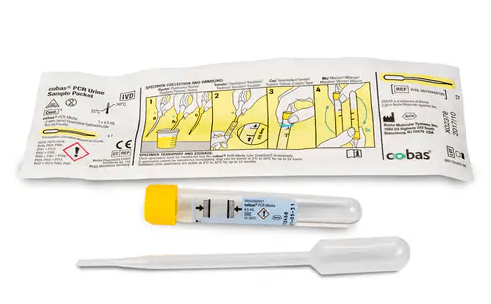
Platinum (urine) is part of these test panels. You order online and have your blood drawn at a collection point or collect the sample at home.
Evidence
This explanation is based on Dutch guidelines and independent information. It is general information, not a diagnosis. Discuss an abnormal result with your GP.
More about risks and resultsMore explanations