Urine · 2 analyses
Vanadium
Measures vanadium in your urine, as a measure of recent exposure. For anyone who works with vanadium, for example in the steel industry.
€ 78,00
Your privacy
Necessary cookies keep the website working.
With your consent, we use additional cookies to:
We may share visited pages, interactions and device data with 5 service providers.
Hashed contact details are shared only with marketing consent.
You can change this later through Cookie preferences at the bottom of every page.
More information is available in our privacy policy.
Metals, toxins and medication · Urine
Vanadium in urine is a measure of recent exposure to vanadium, mainly with work in the steel industry or with fuel oil.
At a glance
Vanadium (urine)
Explanation
The analysis measures how much vanadium leaves the body in the urine. Vanadium is a metal found in soil, in some iron ores and in crude oil, and is used to make steel stronger and more rust-resistant. It is released when fuel oil and coal are burned. Most people take in vanadium mainly through food, but the gut absorbs it poorly.
Result
A raised value fits recent exposure to vanadium, for example at work, or vanadium supplements. Tobacco smoke and seafood can also contribute. According to the ATSDR, breathing in a lot of vanadium pentoxide can damage the lungs, and some vanadium compounds can cause nausea, mild diarrhea and stomach cramps. According to the ATSDR, the measurement cannot predict whether harm will occur.
A low or unmeasurable value is normal. There is no known vanadium deficiency in humans, so a low result does not call for supplementation.
With a raised result, the GP looks for the source, such as work or supplements, together with the occupational physician if needed, and has the measurement repeated if needed.
Reliability
Vanadium in urine is mainly informative with known exposure at work; in people without known exposure, a single value says little. With exposure at work, the urine is usually collected at the end of a working day, after several working days in a row. The result is usually expressed per gram of creatinine, so that dilution of the urine plays no role. According to the ATSDR, the measurement can show exposure, but not whether this causes harm.
Who it is for
Useful with known exposure to vanadium at work, usually in consultation with the occupational physician. In people without symptoms and without known exposure, the measurement adds nothing.
According to the RIVM, vanadium was present in building materials used in Drenthe to reinforce cycle paths; this vanadium causes no health risk for people who use the cycle paths. According to the ATSDR, most people take in vanadium mainly through food. There are no Dutch figures on exposure at work or on poisoning.
The RIVM (Dutch National Institute for Public Health and the Environment) and ATSDR
Get tested
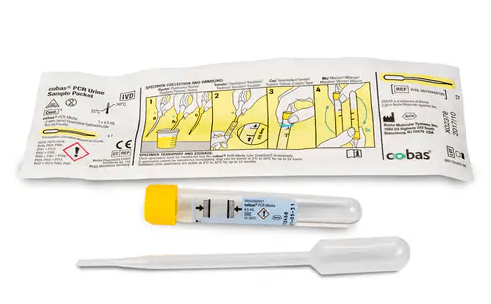
Vanadium (urine) is part of these test panels. You order online and have your blood drawn at a collection point or collect the sample at home.
Evidence
This explanation is based on Dutch guidelines and independent information. It is general information, not a diagnosis. Discuss an abnormal result with your GP.
More about risks and resultsMore explanations